
Table of Contents
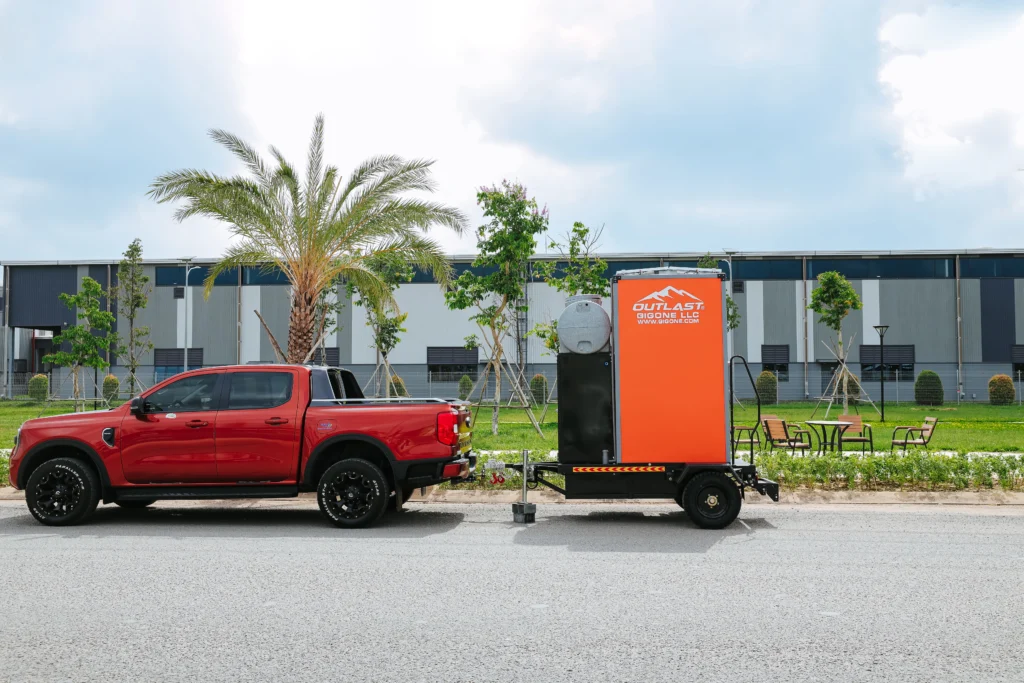
Sanitation in New Zealand is more than just a matter of convenience—it’s directly tied to environmental health, tourism, and community well-being. With 2.9 million international arrivals in 2023 (StatsNZ) and growing domestic travel, the demand for mobile restrooms at events, construction sites, and campgrounds has surged.
But with increased use comes a challenge: odor and environmental risks from waste disposal. In Lower Hutt, near Wellington, wastewater treatment and odor complaints have made headlines, highlighting the importance of modern, eco-friendly sanitation.
At Mobile Oasis, we believe mobile restrooms are part of the solution—not the problem—when designed and managed with sustainability in mind.
1. The Odor Problem in New Zealand
1.1 Case Study: Lower Hutt
Residents in Lower Hutt have repeatedly raised concerns about unpleasant odors from wastewater treatment and nearby dump stations. In 2021, the Wellington Water network faced over 600 odor-related complaints in the Hutt Valley (RNZ).
This reflects a larger issue: poor or outdated waste management not only creates discomfort but also undermines community trust in sanitation systems.
1.2 Why Odor Happens
- Anaerobic decomposition of organic matter in waste tanks.
- Poorly maintained mobile restrooms with inadequate ventilation.
- Overloaded dump stations during peak tourism and event seasons.
2. Environmental Risks from Mobile Restroom Waste
2.1 Water Pollution
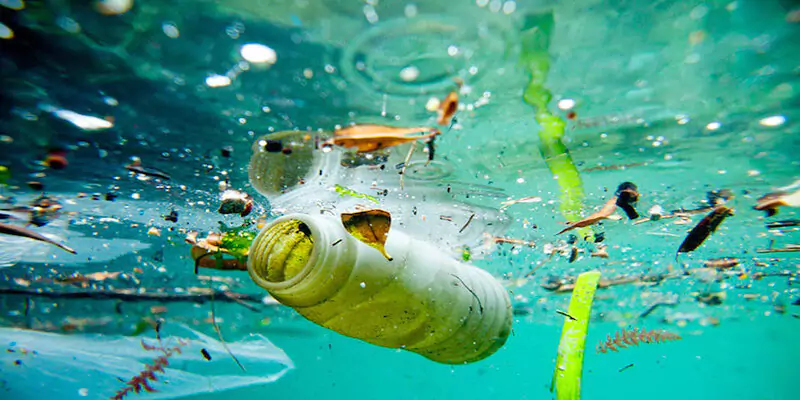
Untreated waste can contaminate rivers and coastal ecosystems. The Ministry for the Environment has identified sewage discharge as a key threat to freshwater systems.
2.2 Air Quality Issues
Beyond unpleasant smells, ammonia and sulfur gases from untreated waste can pose low-level health risks for nearby communities.
2.3 Tourism Impact
New Zealand’s “Clean, Green” brand depends on protecting its environment. A poorly managed sanitation system can negatively affect visitor satisfaction and international reputation.
3. Modern Solutions to Odor and Waste
3.1 Advanced Tank Design
At Mobile Oasis, our mobile restrooms use:
- Dry-wet separation tanks to reduce odor.
- Vacuum flush technology that uses up to 90% less water (ScienceDirect), minimizing liquid waste.
- Activated carbon filters to trap odors before they escape.
3.2 Eco-Friendly Waste Treatment
Instead of relying solely on dump stations, some restrooms incorporate enzymatic or biological treatments to pre-process waste, reducing odor before disposal.
3.3 Regular Servicing and Smart Monitoring
IoT-enabled mobile restrooms can notify operators when tanks are reaching capacity, ensuring waste is collected before odor becomes an issue.
4. Role of Dump Stations in Odor Control
4.1 Rotorua as a Model
Rotorua operates a 24/7 free dump station integrated with the city’s wastewater system (Rotorua Lakes Council). Such infrastructure reduces illegal dumping and prevents odors by ensuring timely waste processing.
4.2 Overload in Urban Centers
By contrast, Auckland and Wellington face congestion at dump stations during peak tourism. Long queues mean tanks stay fuller longer, increasing odor risk.
4.3 Solutions
Mobile Oasis supports public-private partnerships where event organizers and sanitation providers co-invest in temporary waste stations during peak seasons.
5. Lower Hutt and the Future of Green Sanitation
Lower Hutt’s odor issues are a reminder that sanitation must evolve. Instead of reactive measures, cities can adopt proactive strategies:
- Mobile restrooms with integrated odor control reduce pressure on central wastewater plants.
- Distributed waste processing through mobile treatment units ensures rural and suburban areas aren’t left behind.
- Education for users (e.g., not disposing chemicals into tanks) also reduces harmful reactions.
6. Mobile Oasis Approach to Eco-Friendly Sanitation

At Mobile Oasis, we embed sustainability in every step:
- Solar-powered ventilation keeps air fresh without emissions.
- Vacuum flush restrooms conserve thousands of liters of water annually per unit.
- Biodegradable cleaning supplies ensure waste streams are safe for treatment.
- Smart logistics optimize servicing routes, reducing carbon emissions from transport.
These innovations not only tackle odor but also support New Zealand’s Zero Carbon 2050 goal.
7. Opportunities for New Zealand
7.1 Technology Adoption
Integrating vacuum and dry-flush technologies across event and construction industries could drastically reduce odor complaints.
7.2 Regulatory Alignment
With the 2024 freedom camping laws mandating fixed restrooms (MBIE), New Zealand is moving toward more eco-friendly sanitation standards.
7.3 Public-Private Partnerships
Cities like Lower Hutt could collaborate with providers like Mobile Oasis to introduce odor-free, eco-certified mobile restrooms at community hubs, festivals, and waterfronts.
Conclusion
Odor and environmental risks from sanitation are not inevitable—they are solvable with the right technology, policies, and partnerships. The case of Lower Hutt illustrates the challenges, but also the opportunities, for innovation in Mobile Restroom Waste management in New Zealand.
At Mobile Oasis, we lead with sustainable, odor-free solutions that protect communities, enhance event experiences, and safeguard New Zealand’s global reputation as a clean, green nation.Contact Mobile Oasis today to explore eco-friendly mobile restroom solutions that address odor, sustainability, and modern sanitation needs.