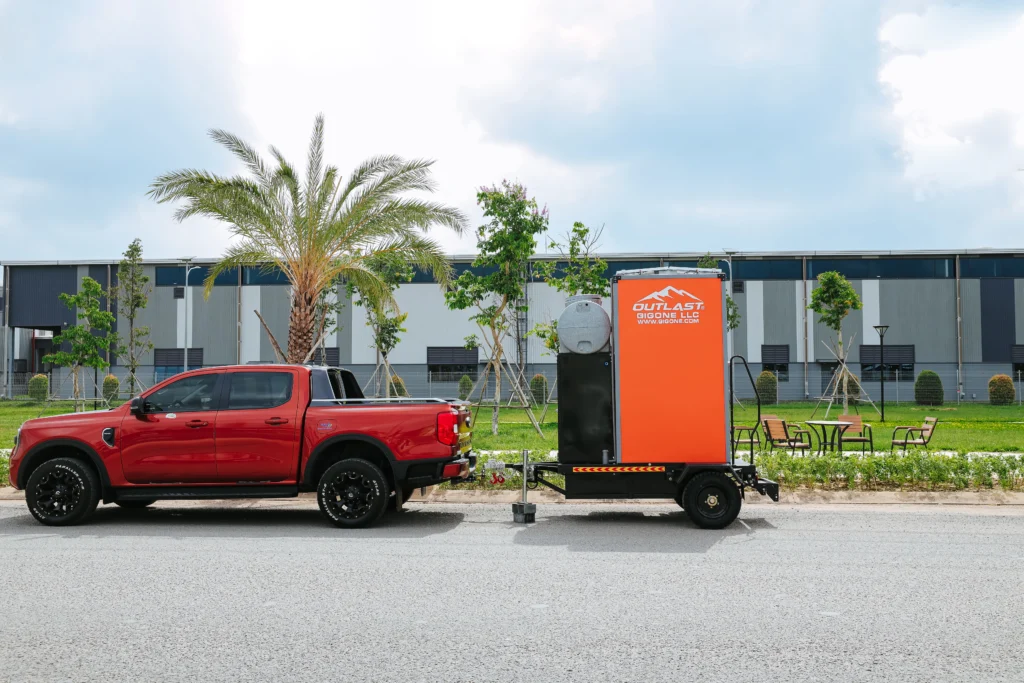


Public sanitation is a cornerstone of urban life, tourism, and community health. Yet across Mobile Restroom New Zealand, public restroom facilities are under immense pressure. Reports highlight shortages, declining quality, and chronic overuse – particularly in tourist hotspots, city centers, and during major events.
For example, a 2023 survey showed that 39% of New Zealanders were dissatisfied with the state of public restrooms, citing cleanliness and accessibility as major issues (Consumer NZ). Similarly, in Tauranga, a sports ground serving 4,000 people offered only six restrooms, sparking public outrage over inadequate facilities.
With international tourism rebounding—2.9 million visitor arrivals in 2023 – demand for public sanitation is higher than ever. At Mobile Oasis, we see this as both a challenge and an opportunity: while permanent infrastructure struggles, modern Mobile Restroom New Zealand can deliver clean, scalable, and sustainable solutions.
1. The Public problem Mobile Restroom New Zealand
1.1 Shortage of Facilities
New Zealand’s councils often face budget limitations for installing and maintaining public restrooms. A 2022 audit found that many small towns and rural areas lack adequate restroom coverage, especially in freedom camping regions and popular hiking trails (MBIE).
1.2 Declining Quality
Where facilities exist, many are outdated. In Lower Hutt, residents complained about strong odors and poor maintenance from wastewater treatment facilities, raising questions about sanitation management standards (The Guardian). Public restrooms that are poorly ventilated or inadequately serviced create negative impressions for residents and visitors alike.
1.3 Overuse in Tourist Hotspots
Freedom camping and international tourism place a strain on existing infrastructure. The Department of Conservation (DOC) manages over 950 huts and 14,000 km of tracks, but many trailheads and campsites lack sufficient sanitation facilities (DOC). Overuse leads to environmental issues, public health risks, and declining visitor satisfaction.
2. Case Studies: Sanitation Under Pressure

2.1 Tauranga Sports Ground
In May 2025, a Tauranga sports ground serving thousands of players and spectators was found to have only six restroom stalls—“woefully inadequate,” according to council officials and residents. This incident sparked debate nationwide about the urgency of upgrading facilities.
2.2 Tourism Growth Post-Pandemic
International visitor arrivals surged to 2.9 million in 2023, nearly doubling from 2022 levels. Popular regions like Queenstown and Rotorua experience heavy restroom demand, but infrastructure development lags behind tourist growth.
2.3 Freedom Camping Regulation
In 2024, New Zealand updated its freedom camping rules: vehicles certified as self-contained must include a fixed or plumbed mobile restroom. This further highlights the central role sanitation plays in New Zealand’s tourism and environmental policies.
3. Why Mobile Restrooms Are the Modern Solution
3.1 Flexibility and Scalability
Unlike permanent structures, mobile restrooms can be deployed where they are needed most: festivals, sports grounds, tourist hotspots, and construction sites. They scale up or down based on demand, ensuring coverage during peak seasons.
3.2 Hygiene and Comfort
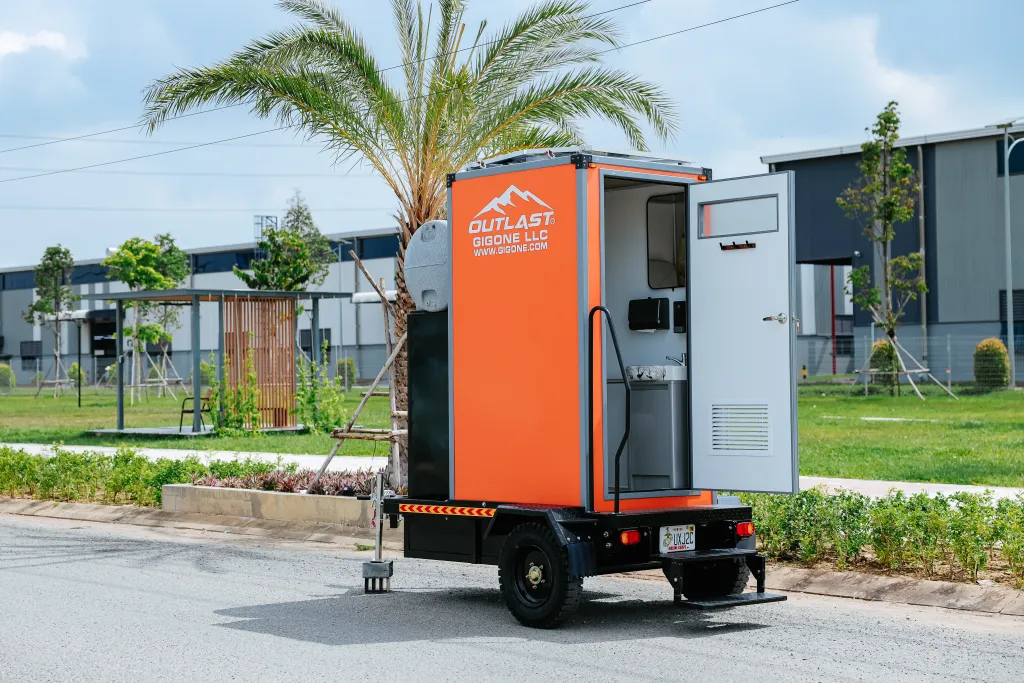
Modern Mobile Restroom New Zealand by Mobile Oasis includes:
- Vacuum flush technology reduces water usage by up to 90%.
- Solar-powered lighting and ventilation, ensuring sustainable energy use.
- Odor-neutralizing systems to enhance user comfort.
- Accessibility features for inclusive public use.
3.3 Sustainable Design
Mobile Oasis integrates eco-friendly designs to meet New Zealand’s environmental goals. Our mobile restrooms feature dry-wet separation tanks for simplified waste disposal, reducing risks of pollution in natural areas.
3.4 Cost Efficiency
For councils facing budget constraints, renting or purchasing mobile restrooms is more cost-effective than building permanent facilities, especially in areas with seasonal demand.
4. Opportunities for Mobile Oasis
4.1 Partnerships with Local Councils
Mobile Oasis can work with councils to deploy fleets of mobile restrooms at high-traffic sites such as sports grounds, waterfronts, and event venues.
4.2 Tourism and Event Sector
Festivals like Rhythm & Vines, attracting 20,000+ attendees annually (RNZ), and events in Auckland, Wellington, and Christchurch create recurring demand for premium sanitation.
4.3 Rural and Conservation Areas
With DOC’s extensive network of huts and trails, mobile restrooms can reduce environmental pressures where permanent facilities are unfeasible.
5. Challenges to Address
5.1 Waste Disposal Infrastructure
Not all regions have adequate dump stations. Rotorua’s 24/7 free disposal site is an excellent model (Rotorua Lakes Council). Mobile Oasis can advocate for similar infrastructure expansions nationwide.
5.2 Public Perception
Some people still see mobile restrooms as basic or unsanitary. By showcasing luxury features—hands-free sinks, LED-lit interiors, climate control—Mobile Oasis can redefine expectations.
5.3 Seasonal Fluctuations
Tourism-driven demand peaks in summer, while winter sees lower use. Mobile Oasis can offer flexible rental packages to balance seasonal variation.
6. Future Trends
- Smart Restrooms: IoT-enabled units monitoring occupancy and waste levels for proactive servicing.
- Climate-Resilient Sanitation: Units designed to withstand extreme weather, important in New Zealand’s coastal and alpine regions.
- Public-Private Partnerships: Councils collaborating with private providers to deliver scalable sanitation.
- Sustainability Leadership: Mobile Oasis is positioning itself as the eco-friendly sanitation partner for New Zealand’s green tourism strategy.
Conclusion
Mobile Restroom New Zealand’s public sanitation infrastructure is at a crossroads. With shortages, declining quality, and tourist-driven overuse, the system cannot keep pace with demand. Stories like Tauranga’s six restrooms for 4,000 users highlight the urgency of change.
Mobile restrooms in New Zealand offer a solution: flexible, scalable, eco-friendly, and cost-efficient. At Mobile Oasis, we are committed to working with councils, event organizers, and tourism operators to ensure clean, modern, and sustainable sanitation for all.
Contact Mobile Oasis today to explore how our mobile restroom solutions can support your community, event, or project.