
Table of Contents
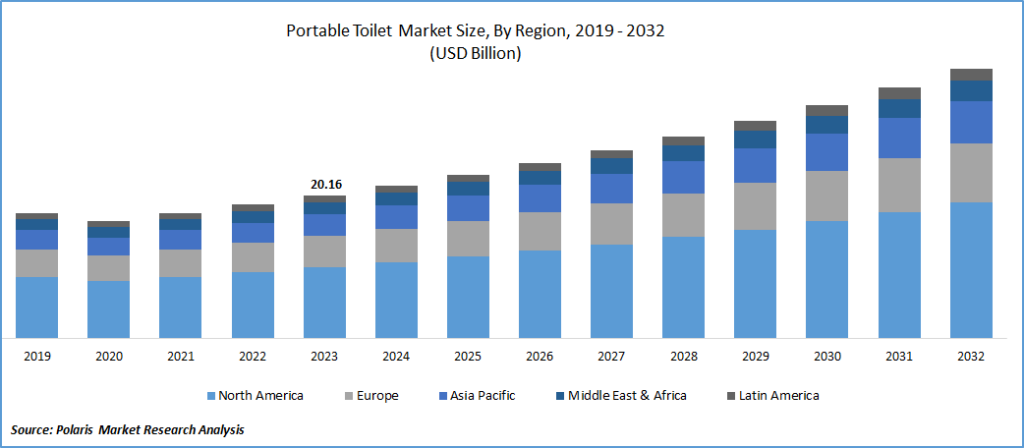
The economic benefits of mobile restrooms is expanding rapidly, driven by tourism, construction, and major cultural events. With 2.9 million international arrivals in 2023 (StatsNZ) and a domestic construction market valued at NZ$42 billion annually (StatsNZ), the sanitation sector is a lucrative space for entrepreneurs and investors.
At Mobile Oasis, we’ve seen first-hand how mobile restrooms are not just essential infrastructure—they are a profitable business model. This article explores the economic benefits, ROI, and partnership opportunities for businesses investing in mobile restrooms in New Zealand.
1. Rising Market Demand for Mobile Restrooms
1.1 Tourism Growth
With 2.9 million international visitors in 2023, up 63% from 2022, tourism remains a key driver of restroom demand (StatsNZ). Tourists attending festivals, adventure activities, and camping sites require sanitation facilities beyond permanent infrastructure.
1.2 Construction Industry
The construction sector employs over 200,000 workers (Construction Sector Accord). Regulations mandate restrooms on worksites, creating consistent, long-term demand for mobile restrooms.
1.3 Event Industry
Events like Pasifika Festival (200,000 attendees) and Rhythm & Vines (20,000+ campers) require large-scale restroom fleets. Mobile restrooms are not optional—they are central to event operations.
2. Cost Structure of Mobile Restroom Investment
2.1 Initial Investment
- Standard mobile restroom unit: NZ$2,500–5,000 purchase.
- Vacuum flush or VIP luxury unit: NZ$15,000–20,000 purchase.
- Servicing trucks & equipment: NZ$80,000–120,000 per vehicle.
2.2 Operational Costs
- Servicing, cleaning, and waste disposal: ~NZ$20–30 per unit per week.
- Labor for delivery and maintenance.
- Fuel and logistics costs.
Compared to capital-heavy industries, the mobile restroom business has low fixed costs and high reusability, making it attractive for SMEs.
3. Revenue Opportunities

3.1 Rental Income
- Standard unit rental: NZ$150–300 per month.
- VIP luxury unit rental: NZ$800–1,500 per event.
- Construction long-term contracts: NZ$200–400 per unit per month.
3.2 Event-Based Revenue
Large festivals can require hundreds of units. For example, a 50,000-person event may hire 1,000 mobile restrooms, generating NZ$150,000–200,000 in rental fees for a single weekend.
3.3 Cross-Sector Demand
Mobile restrooms serve not only events and construction, but also emergency response, tourism, and government infrastructure. This diversification makes the business recession-resilient.
4. Return on Investment (ROI)
- Payback period: A standard unit often breaks even in 12–18 months through consistent rental.
- VIP/luxury units: Higher upfront cost but faster ROI when serving high-value markets like weddings and corporate events.
- Fleet scaling: Owning 50 units can yield NZ$150,000–300,000 annual revenue, depending on utilization.
Compared to industries like heavy construction equipment, mobile restrooms offer faster ROI and higher margins.
5. Case Example: Event Sanitation Economics
At Auckland’s Pasifika Festival, with 200,000 attendees, sanitation demand required at least 4,000 restroom visits per hour during peak times. Renting 500 units for two days could generate NZ$75,000+ in rental income for providers.
This demonstrates the scalability of mobile restroom services: one large event can cover months of operational costs.
6. economic benefits of mobile restrooms in New Zealand

6.1 Regional Expansion
Urban centers like Auckland and Wellington are well-served, but South Island towns remain underserved, especially in tourism-heavy areas like Queenstown and Fiordland.
6.2 Sustainability-Driven Demand
Vacuum flush systems, saving up to 90% water per flush (ScienceDirect), are favored by councils and eco-conscious clients. Businesses offering green solutions can command premium prices.
6.3 Partnerships with Councils
Local governments face pressure to improve public sanitation. Partnering with councils for seasonal mobile restroom fleets creates long-term, stable contracts.
7. Risks and Considerations
- Seasonal Fluctuations: Demand peaks in summer tourism and festival seasons.
- Regulatory Compliance: Units must meet New Zealand’s sanitation and waste management laws.
- Maintenance: Poor servicing damages reputation quickly—professional upkeep is essential.
At Mobile Oasis, we mitigate these risks through fleet diversification, eco-friendly certifications, and 24/7 servicing support.
Conclusion
The economic benefits of mobile restrooms in New Zealand is both economically attractive and socially impactful. With rising demand from tourism, construction, and events, the industry offers fast ROI, diverse revenue streams, and long-term growth potential.
At Mobile Oasis, we not only provide premium, eco-friendly mobile restrooms but also partner with businesses, councils, and event organizers to ensure sanitation becomes a driver of both profitability and sustainability. Contact Mobile Oasis today to explore partnership opportunities and discover how mobile restrooms can be a profitable addition to your business portfolio.