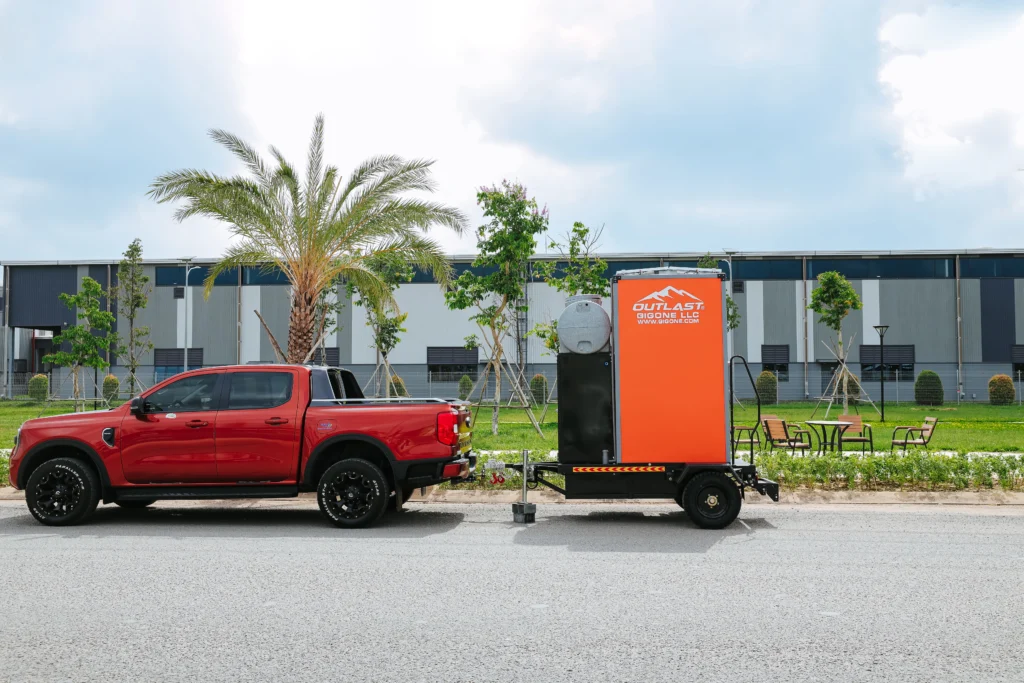
Safe Mobility & Full Legal Compliance Across the United States
Deploying mobile sanitation systems in the United States requires more than hygiene performance and user comfort. Any mobile unit that is transported, towed, or deployed across public roadways must meet strict safety, transportation, and legal compliance requirements. Failure to meet these standards can result in operational delays, registration challenges, or deployment restrictions.
The Premium Mobile Oasis™ mobile restroom systems, including Model AA-1P and Model A-1P, are engineered from the ground up to align with DOT, VIN and DMV Compliant regulatory frameworks, ensuring lawful mobility, transparent asset identification, and deployment readiness across the U.S.
This article explains why compliance matters, how these standards apply to mobile sanitation infrastructure, and how Mobile Oasis designs systems that move legally, safely, and efficiently across diverse operational environments.
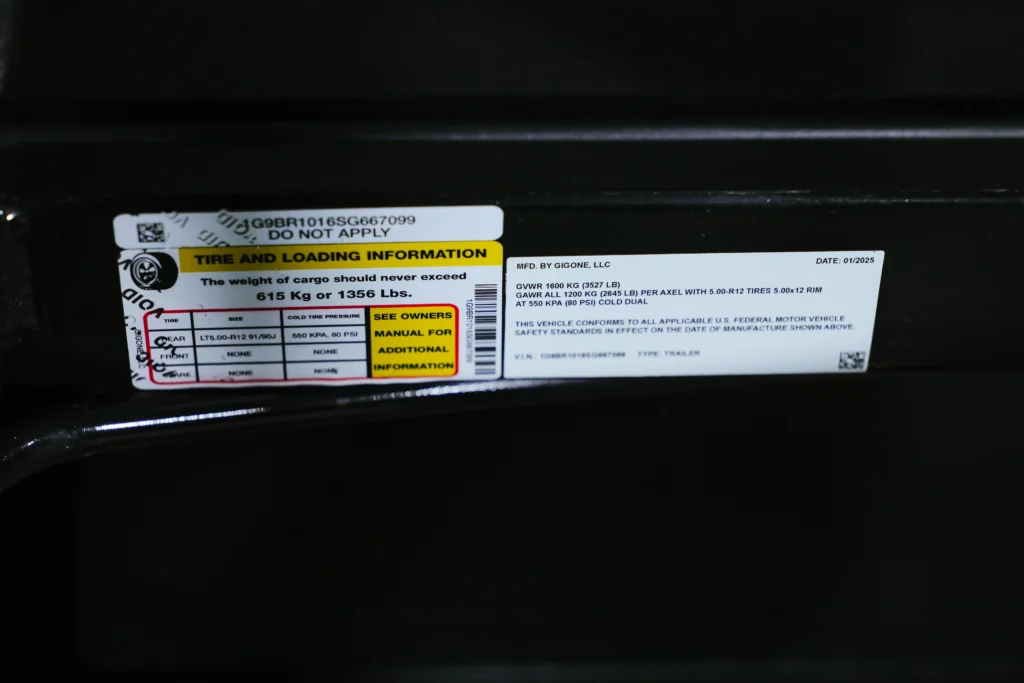
Table of Contents
Why Legal Compliance Is Critical for Mobile Restroom Deployment
Unlike static sanitation facilities, mobile restroom systems are: Transported on public highways, Towed between states and jurisdictions, Subject to transportation inspections, and Required to maintain traceable ownership and registration.
Without DOT, VIN, and DMV compliance, operators may encounter: Transport restrictions or citations, Registration obstacles, Delays during inspections, and Increased legal and operational risk. A DOT VIN DMV compliant mobile restroom system eliminates these barriers, allowing predictable logistics and uninterrupted deployment.
DOT Compliance: Transportation Safety on Public Roadways
The Department of Transportation (DOT) establishes safety requirements for equipment operating on public roads. Mobile sanitation units must meet transportation standards related to structural integrity, towing safety, and roadway operation.
Both Model AA-1P and Model A-1P are designed to align with applicable DOT transportation principles, supporting: Legal towing on U.S. highways, Safe movement under operational load, and Stable transport across long distances. This compliance enables operators to move units between deployment sites without regulatory friction. For general information on DOT safety frameworks.
VIN Assignment: Legal Identity and Asset Traceability
Each Premium Mobile Oasis™ unit is issued a unique Vehicle Identification Number (VIN).
Why VIN assignment matters:
Establishes legal identity for the unit, enables registration and documentation, supports asset tracking and lifecycle management, Simplifies inspections and audits. VIN registration transforms a mobile restroom from a generic unit into a legally recognized mobile asset, suitable for professional fleet operation. General VIN reference.
DMV Compliance: Registration and Interstate Operation
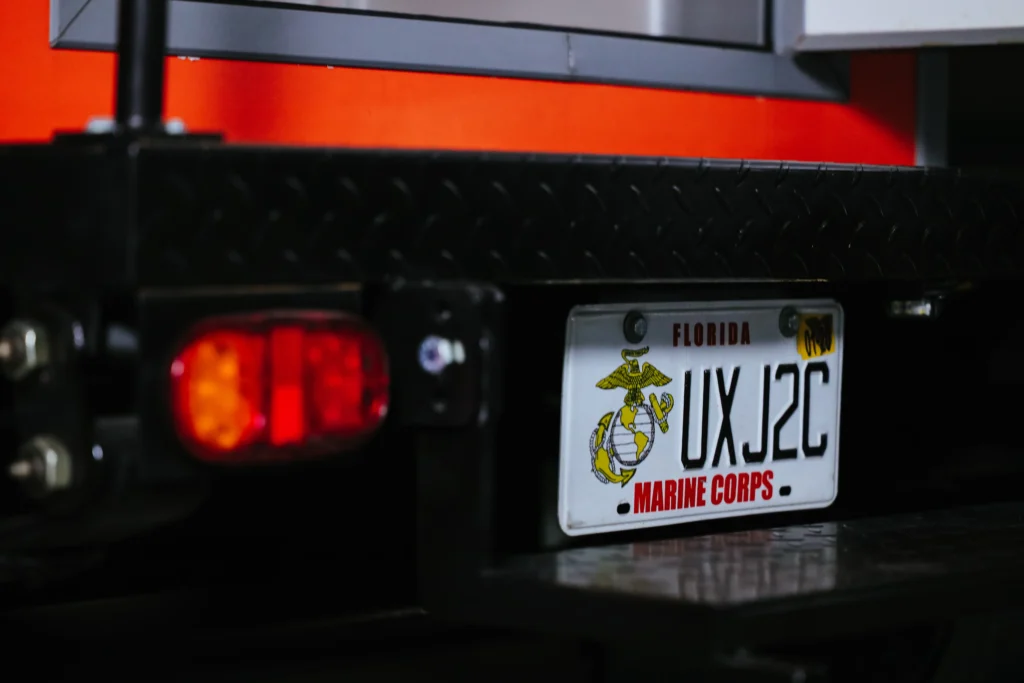
Beyond DOT and VIN requirements, mobile restroom systems must also satisfy Department of Motor Vehicles (DMV) standards to be legally registered and operated. Both Mobile Oasis models are engineered to support DMV compliance, enabling: Lawful registration, Interstate transport, Transparent ownership records. This is especially important for operators managing fleets across multiple states or long-term regional projects. General DMV framework reference.
Safe Mobility by Design: Engineered for Transport Stability
Compliance begins at the engineering level. Mobile Oasis designs its restroom systems with transport safety and mobility efficiency as core principles. Key mobility-oriented design elements include: Structurally optimized frameworks, Balanced weight distribution, Secure transport mounting points, and Durable, clearly visible identification plates. These features support safe towing, handling, and placement across a wide range of environments.
Vehicle Identification Plates: Transparency in Operations
Each unit is equipped with a dedicated vehicle identification plate, ensuring clear recognition throughout: Transportation, On-site deployment, Asset management, and regulatory inspections. This transparency reduces administrative friction and supports orderly fleet management for operators and project managers.
Mobility & Deployment Efficiency Across Diverse Environments
With full DOT, VIN, and DMV alignment, Model AA-1P and Model A-1P can be deployed efficiently across diverse environments, including: Construction and development sites, Public venues and temporary installations, Remote or off-grid locations, Emergency-response-adjacent environments. (Deployment scenarios are illustrative and do not imply endorsement or affiliation.)
Supporting Regulated and Public-Facing Projects
Many large-scale projects require mobile sanitation systems that meet documented safety and legal standards. A legally compliant mobile restroom system supports project stakeholders by: Reducing approval delays, aligning with common technical specifications, supporting standardized procurement processes, and enhancing operational predictability. Compliance becomes a strategic advantage rather than an administrative burden.
Reducing Legal and Operational Risk
Operating non-compliant mobile equipment introduces uncertainty at every stage of deployment. By choosing DOT VIN DMV compliant systems, operators benefit from: Lower risk of fines or transport restrictions, Fewer delays during inspections, Clear documentation for audits, and increased confidence from partners and clients. Legal compliance directly supports operational continuity.
Designed as Mobile Infrastructure, Not Temporary Equipment
Mobile Oasis approaches sanitation systems as mobile infrastructure assets, not disposable or short-term equipment. Legal compliance reinforces this approach by ensuring that each unit: Is recognized as a legitimate mobile system, can be registered, tracked, and managed, and supports long-term deployment strategies. This mindset aligns with modern infrastructure planning and professional fleet operations.
Asset Management and Lifecycle Transparency
VIN-based identification enables integration with: Asset tracking systems, Maintenance scheduling, Deployment records, and Lifecycle cost analysis. For operators managing multiple units across regions, this level of structure is essential for scalability and efficiency.
Seamless Compliance from Transport to Deployment
Compliance does not end once a unit reaches its destination. From transport to on-site operation, Mobile Oasis systems are designed to maintain: Legal clarity, Safety consistency, Documentation transparency. This continuity ensures smooth handover, inspection, and redeployment across project cycles.
Shared Compliance Foundation Across Both Models
While Model AA-1P and Model A-1P may differ in configuration or capacity, both share the same compliance foundation: DOT-aligned transport design, VIN-based legal identification, and DMV-compatible registration framework. This consistency simplifies fleet planning and operational decision-making.
Conclusion: Compliance Enables Confident Deployment
In the U.S. market, mobile sanitation systems must meet more than functional expectations—they must meet legal, transportation, and regulatory realities. By aligning with DOT, VIN, and DMV requirements, Mobile Oasis mobile restroom systems deliver: Legal certainty, Transport safety, Deployment flexibility, Reduced operational risk.
Model AA-1P and Model A-1P are not merely portable restrooms—they are fully compliant, mobility-ready sanitation systems, purpose-built for professional, large-scale, and regulated deployment across the United States.