

Why Non-Stock Manufacturing Delivers Better Long-Term Performance
In today’s mobile sanitation market, most portable restrooms are produced using a mass-manufacturing model. Units are built in advance, stored as inventory, and later adapted—often imperfectly—to a wide range of projects. While this approach may appear efficient on the surface, it frequently leads to mismatches between product design and real operational needs. Mobile Oasis takes a different approach.
Both Premium Mobile Oasis™ – Model AA-1P and Model A-1P are developed under a Custom-Built Mobile Restrooms, non-stock manufacturing model, where every unit is engineered to order based on the specific requirements of each project. Rather than forcing projects to adapt to a fixed product, Mobile Oasis designs the product around the project itself.
This article explores how custom-built manufacturing works, why non-stock production matters, and how engineered-to-order mobile restrooms outperform mass-produced alternatives in long-term deployment, cost efficiency, and operational reliability.
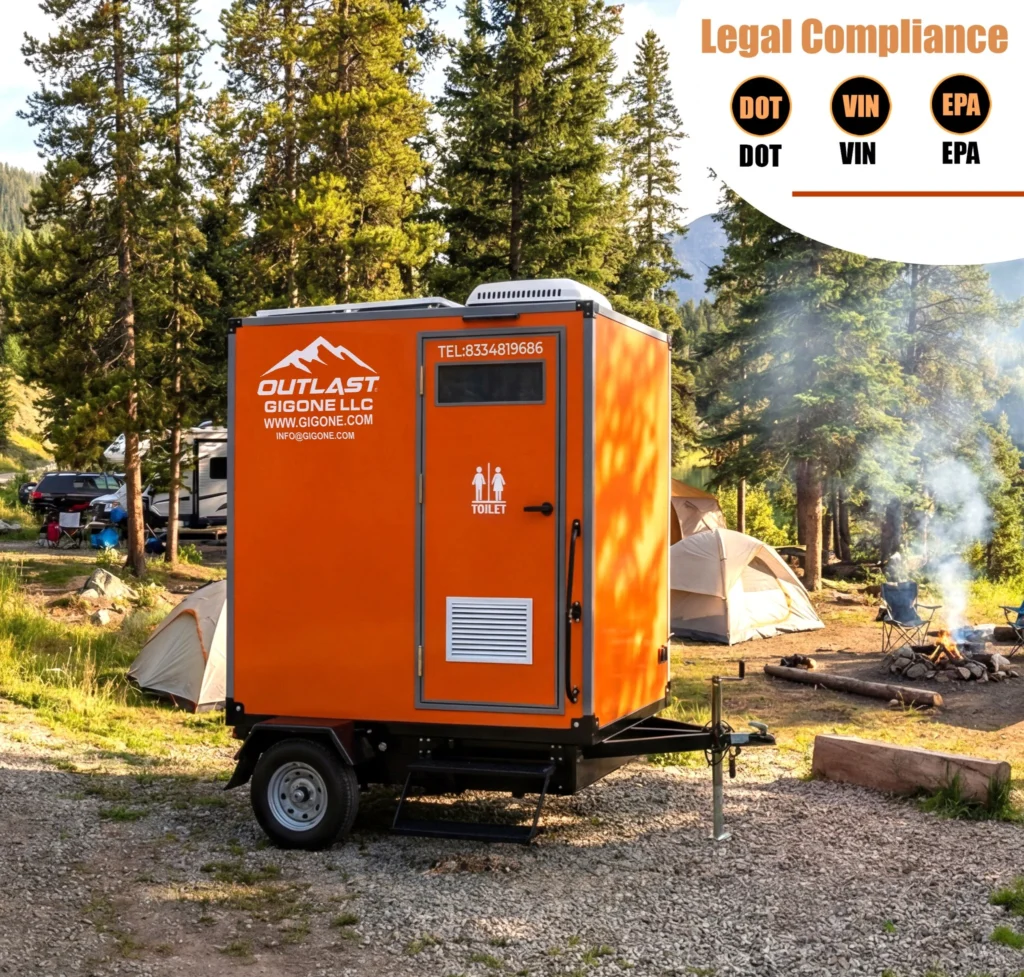
Table of Contents
Understanding the Custom-Built, Non-Stock Manufacturing Model
A non-stock manufacturing model means that mobile restrooms are not mass-produced or pre-configured for general use. Instead, each unit is designed and manufactured only after the project parameters are clearly defined. For Mobile Oasis, this means:
- No generic, one-size-fits-all restroom units
- No excess inventory waiting to be sold
- No unnecessary features inflating project costs
Every Model AA-1P and Model A-1P is an engineered-to-order mobile sanitation system, built with a clear purpose, defined operating conditions, and measurable performance goals. This approach mirrors manufacturing practices commonly used in industrial equipment, infrastructure systems, and specialized mobile assets—where performance, reliability, and lifecycle value matter more than production volume.
Why Mass-Produced Portable Restrooms Create Limitations
Mass production prioritizes speed and uniformity, but these advantages often come at the cost of adaptability and efficiency. Common challenges with mass-produced portable restrooms include:
- Fixed layouts that cannot adapt to site-specific conditions
- Systems designed for average use, not actual demand
- Overbuilt components that increase cost without adding value
- Underbuilt systems that fail under high usage or long-term deployment
For short-term, low-demand applications, these limitations may be manageable. However, for projects involving long deployment periods, high daily usage, or environmental stress, mass-produced units often result in higher maintenance costs, reduced lifespan, and operational disruptions.
Engineered-to-Order: Designing Around Real-World Use
The foundation of Mobile Oasis’s custom-built manufacturing philosophy is simple: real operating conditions define the design. Each mobile restroom is configured using three primary factors:
1. Operational Model
Different projects require different performance priorities. Mobile Oasis units can be configured for:
- Short-term rental (events, temporary installations)
- Long-term deployment (construction, infrastructure, public facilities)
- Investment-based operation (fleet ownership and ongoing service models)
Each model affects system durability, servicing frequency, and component selection.
2. Site Conditions and Environment
Environmental factors have a direct impact on system performance and longevity. During the design phase, Mobile Oasis evaluates:
- Urban environments with high user density
- Construction zones with heavy-duty operational demands
- Remote or limited-access locations
- Hot, cold, or fluctuating climate conditions
By accounting for these variables early, the system is built to withstand its actual environment rather than an assumed one.
3. Usage Intensity and Duration
A restroom serving 100 users per day requires a very different configuration than one serving thousands. Design considerations include:
- Expected daily user volume
- Peak usage periods
- Continuous versus seasonal operation
Engineering the system around real usage data reduces stress on components and prevents premature wear.
The Design Confirmation Stage: Where Performance Is Locked In
All technical specifications, system configurations, and integration options are finalized during the design confirmation stage. At this point:
- Core systems are aligned with operational demands
- Optional features are evaluated based on measurable value
- Cost, durability, and lifecycle efficiency are balanced intentionally
This process ensures that every AA-1P and A-1P unit achieves optimal alignment with project requirements rather than generic performance assumptions.
Cost Optimization Through Precision—Not Compromise
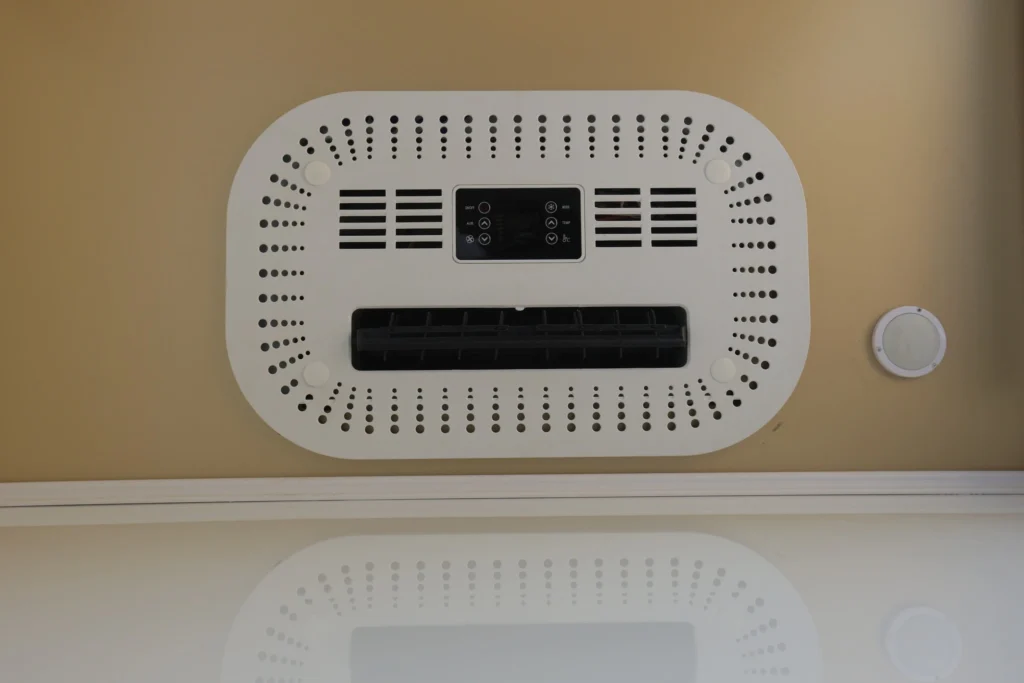
Custom-built manufacturing is often misunderstood as being more expensive. In reality, it is more precise. By building only what the project actually requires, Mobile Oasis helps:
- Reduce unnecessary upfront investment
- Eliminate unused or redundant components
- Lower long-term maintenance and repair costs
- Improve total cost of ownership (TCO)
According to general manufacturing efficiency studies published by McKinsey & Company, equipment designed around specific use cases consistently delivers stronger lifecycle cost performance than standardized alternatives.
Extending Equipment Lifespan Through Better Fit
When systems are correctly matched to their environment, they last longer. Custom-built mobile restrooms benefit from:
- Appropriate material selection for climate conditions
- Correct system sizing based on actual usage
- Reduced operational stress on critical components
- Lower risk of failure caused by overuse or misuse
For operators, this means fewer replacements, longer service life, and more predictable asset performance.
Operational Efficiency in Daily Use
Engineered-to-order mobile restrooms simplify daily operations by aligning design with reality. Key operational benefits include:
- Predictable servicing schedules
- Reduced emergency maintenance
- Stable performance during peak usage
- Consistent user experience over time
For large-scale or multi-site deployments, this predictability translates directly into lower operating risk and improved service quality.
Custom-Built Manufacturing as Risk Management
In professional sanitation projects, risk is operational—not theoretical. Custom-built mobile restrooms help mitigate risk by:
- Matching capacity to demand
- Designing systems for environmental stress
- Reducing the likelihood of system overload
- Supporting general sanitation and safety expectations
By addressing these factors during the design phase, Mobile Oasis reduces uncertainty throughout the system’s operational lifecycle.
Shared Engineering Philosophy Across AA-1P and A-1P
Although Model AA-1P and Model A-1P differ in size, configuration, and capacity, both models follow the same non-stock, engineered-to-order manufacturing philosophy.
This ensures:
- Consistent engineering standards
- Simplified operator training
- Unified maintenance logic across fleets
For organizations managing multiple units or mixed-model deployments, this consistency improves efficiency without sacrificing flexibility.
From Temporary Equipment to Mobile Infrastructure Assets
Custom-built manufacturing transforms mobile restrooms from disposable utilities into long-term mobile infrastructure assets.
Rather than being replaced frequently, engineered-to-order systems are designed to:
- Adapt to extended deployment cycles
- Maintain performance across seasons
- Retain value over time
This approach aligns with the growing demand for professional-grade mobile sanitation in infrastructure, construction, and large-scale public environments.
When Custom-Built Mobile Restrooms Deliver the Most Value
The benefits of non-stock manufacturing are most pronounced in:
- Long-term deployments
- High-traffic environments
- Climate-sensitive regions
- Investment-based restroom operations
- Projects requiring predictable performance
In these scenarios, mass-produced units often generate hidden costs that outweigh their initial savings.
Conclusion: Custom-Built Is a Strategic Advantage
Choosing custom-built mobile restrooms is not simply a design preference—it is a strategic decision that affects performance, cost, and operational stability. Through its non-stock, engineered-to-order manufacturing model, Mobile Oasis delivers sanitation systems that:
- Align precisely with project requirements
- Optimize upfront and long-term investment
- Extend equipment lifespan
- Reduce operational and maintenance risk
Both Premium Mobile Oasis™ – Model AA-1P and Model A-1P demonstrate that when mobile sanitation systems are built around real-world conditions, they perform better—not just on day one, but throughout their entire lifecycle.
Leave a Reply