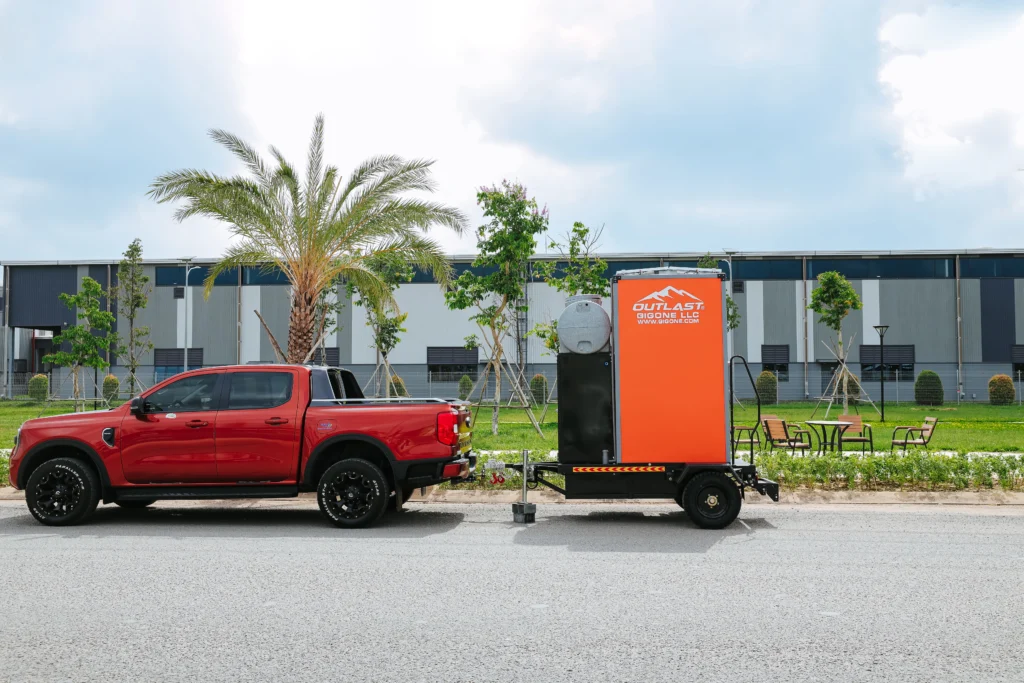

Safe Cold-Climate Operation Without Chemical Antifreeze
Cold-weather operation is one of the most demanding challenges in mobile sanitation. Freezing temperatures can disrupt water flow, damage internal components, compromise hygiene standards, and create safety risks for users. In regions such as Georgia, where winter conditions can fluctuate rapidly between mild days and freezing nights, mobile restroom systems must be engineered for reliability—not seasonal limitation.
Anti-freeze heating for mobile restrooms in Georgia has become a critical requirement for year-round deployments. Traditional solutions often rely on chemical antifreeze additives to prevent freezing. While effective in theory, these chemicals introduce concerns related to skin contact, water quality, environmental impact, and operational complexity.
Mobile Oasis™, through Model AA-1P and Model A-1P, addresses these challenges with a chemical-free Anti-Freeze Heating system. This integrated approach ensures stable winter operation while prioritizing user safety, environmental responsibility, and long-term deployment efficiency.
This article explains how Anti-Freeze Heating works, why chemical-free design matters, where it delivers the most value, and how it supports modern sanitation requirements across Georgia and the southeastern United States.
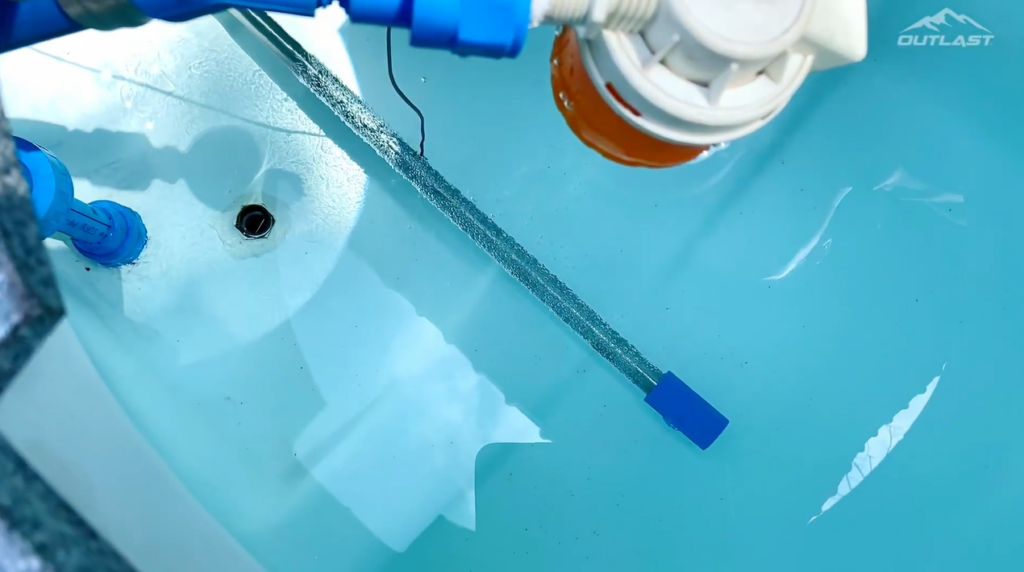
Table of Contents
Cold-Climate Challenges for Mobile Restrooms in Georgia
Georgia does not experience extreme winter conditions year-round, but it presents a unique risk profile for mobile sanitation systems:
- Overnight freezing temperatures
- Sudden cold snaps following warm weather
- High humidity combined with cold air
- Long-term outdoor deployments across seasons
These conditions can cause water lines and valves to freeze unexpectedly. When freezing occurs, consequences include:
- Interrupted handwashing access
- Cracked pipes and damaged components
- Emergency maintenance calls
- Downtime during active operations
For events, public-use environments, and long-duration sites, even short interruptions can significantly affect hygiene standards and user confidence.
What Is Anti-Freeze Heating in Mobile Sanitation Systems?
Anti-Freeze Heating refers to a built-in thermal protection system that prevents freezing in water lines, valves, and discharge components—without introducing chemical antifreeze into the water system. In Mobile Oasis™ Model AA-1P and Model A-1P, Anti-Freeze Heating is achieved through:
- Integrated heating elements protecting critical water pathways
- Controlled temperature regulation within safe operating ranges
- Optional electric freeze-protection support when external power is available
This approach ensures continuous operation during cold nights, winter seasons, and fluctuating weather conditions commonly experienced in Georgia.
The Problem with Chemical Antifreeze in Restroom Systems
Many conventional cold-weather mobile restroom solutions rely on antifreeze chemicals added directly to the water system. While this prevents freezing, it creates several real-world issues:
1. User Safety Concerns: During winter operation, users frequently wash their hands with warm water. Chemical antifreeze— even in diluted form—can irritate skin, especially with repeated exposure.
2. Water Quality Risks: Chemical additives compromise water purity and can reduce user confidence in hygiene, particularly in high-traffic public environments.
3. Environmental Impact: Chemical antifreeze introduces additional environmental handling risks during waste servicing and disposal.
4. Regulatory Sensitivity: Public-use sanitation systems are increasingly expected to minimize chemical exposure, especially in shared or environmentally sensitive locations.
Because of these factors, chemical antifreeze is increasingly viewed as an outdated solution.
Chemical-Free Anti-Freeze Heating: Protecting Users First
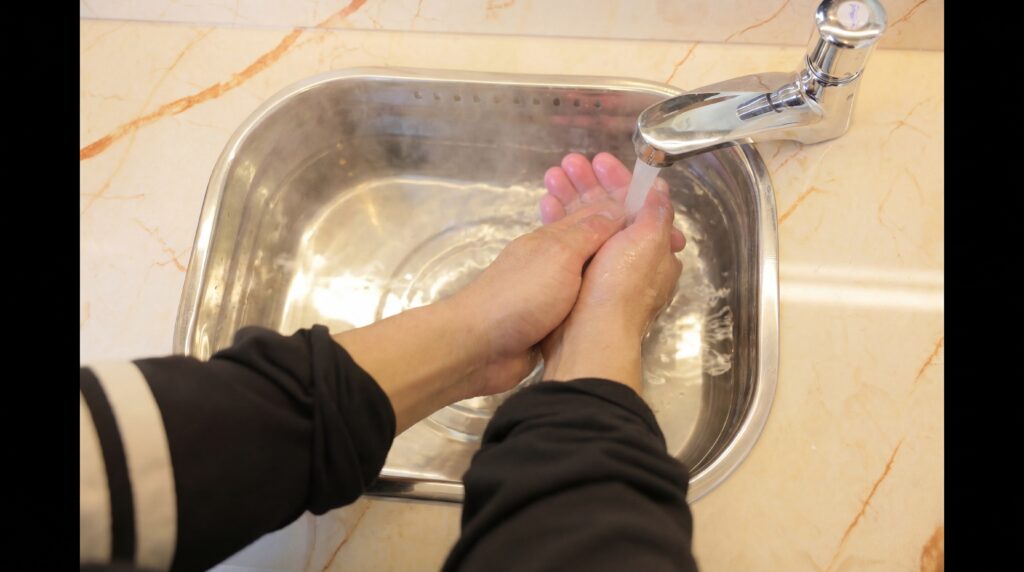
One of the core advantages of Mobile Oasis’ Anti-Freeze Heating system is direct user protection. By eliminating chemical antifreeze, the system ensures:
- Clean, chemical-free water contact
- No residue on hands during washing
- Reduced risk for sensitive skin
- Greater public trust in hygiene quality
This is especially important in environments serving diverse users, including workers, families, and general public attendees.
Reliable handwashing is a fundamental hygiene requirement. Systems that maintain water safety in winter help support consistent public health outcomes year-round.
Controlled Hot Water Temperature for Safety
Anti-Freeze Heating in Mobile Oasis™ systems is paired with intelligent hot water control. The maximum water temperature is preset within approximately 113–122°F (45–50°C). This controlled range is critical because it:
- Prevents scalding or burns
- Ensures comfortable handwashing
- Maintains a consistent user experience
- Supports safety expectations in shared environments
According to general public health guidance, excessively hot water increases burn risk without improving hygiene effectiveness. Controlled temperature systems strike the right balance between comfort and safety.
Dual Freeze-Protection Capability for Flexible Deployment
Cold-weather deployment conditions vary widely across Georgia. Some locations provide access to external power, while others operate independently.
To accommodate this, Mobile Oasis™ systems offer dual freeze-protection capability:
When 110V Power Is Available
- Integrated electric freeze-protection heaters can be activated
- Water lines remain protected without chemical additives
- System stability is maintained overnight and during extreme cold
When Power Is Limited or Unavailable
- Built-in Anti-Freeze Heating design continues to protect critical components
- No reliance on chemical solutions
- Continued operational reliability
This flexibility allows deployment across construction sites, event venues, temporary installations, and remote locations.
Preserving Water Quality and Environmental Responsibility
Chemical-free Anti-Freeze Heating also supports environmental responsibility. By avoiding antifreeze additives, the system helps:
- Preserve water quality
- Reduce chemical discharge risks
- Simplify waste handling procedures
- Minimize environmental impact
The U.S. Environmental Protection Agency emphasizes the importance of preventing chemical contamination in temporary sanitation systems, particularly where waste handling intersects with natural environments.
For operators working in parks, public spaces, or environmentally sensitive areas, chemical-free systems reduce compliance complexity and operational risk.
Where Anti-Freeze Heating Delivers the Greatest Value
Anti-freeze heating for mobile restrooms in Georgia is not a niche feature. It is essential for a wide range of real-world deployments, including:
- Cold-season events and winter operations
- Long-term work and infrastructure sites
- High-traffic public-use environments
- Temporary installations exposed to overnight freezing
In these contexts, reliable cold-weather performance prevents downtime, emergency repairs, and user dissatisfaction.
Supporting Hygiene Standards in Cold Weather
Cold temperatures often reduce handwashing compliance when water systems become unreliable or uncomfortable. By maintaining stable water temperature and uninterrupted operation, Anti-Freeze Heating helps:
- Encourage consistent hand hygiene
- Maintain sanitation standards year-round
- Support public health outcomes in all seasons
A restroom that functions reliably in winter is just as critical as one operating during peak summer months.
Long-Term Deployment Without Seasonal Shutdowns
Many mobile sanitation systems are designed primarily for fair-weather use, requiring winter shutdowns or costly modifications. Anti-Freeze Heating allows Model AA-1P and Model A-1P to remain operational across seasons, reducing:
- Seasonal replacement costs
- Re-deployment delays
- Maintenance complexity
This makes Mobile Oasis™ systems particularly suitable for long-term deployment strategies.
Engineering for Cold-Climate Reliability
Anti-Freeze Heating is not an add-on feature—it is integrated into the system’s overall engineering design. This includes:
- Insulated water pathways
- Protected discharge components
- Stable heating performance
- Coordinated temperature control
The result is a winter-ready mobile sanitation system designed to function reliably under real environmental stress.
Shared Technology Across Both Models
While Model AA-1P and Model A-1P differ in configuration and capacity, both utilize the same Anti-Freeze Heating principles. This consistency ensures:
- Predictable performance across fleets
- Simplified operator training
- Standardized maintenance procedures
For organizations managing multiple units, shared technology reduces operational complexity and training costs.
Reducing Maintenance and Operating Risk
Frozen water lines can cause significant internal damage, leading to costly repairs and extended downtime. Anti-Freeze Heating helps:
- Prevent freeze-related component failure
- Reduce emergency maintenance incidents
- Extend overall system lifespan
By addressing cold-weather risks proactively, Mobile Oasis™ systems support stable, long-term operation.
Anti-Freeze Heating as a Strategic Investment Feature
From an operational perspective, Anti-Freeze Heating is not just a technical specification—it is an investment safeguard. It enables:
- Year-round usability
- Lower total cost of ownership
- Reduced operational risk during winter deployments
For organizations planning repeated or extended use, this capability delivers measurable long-term value.
Conclusion: Reliable Winter Operation Without Compromise
Cold weather should not compromise sanitation quality, user safety, or environmental responsibility. Through chemical-free Anti-Freeze Heating, Premium Mobile Oasis™ Model AA-1P and Model A-1P deliver reliable cold-climate performance while protecting:
- Users’ skin during handwashing
- Water quality and the environment
- System integrity and operational continuity
Designed for real-world winter conditions, Anti-Freeze Heating transforms mobile restrooms into season-ready sanitation systems, capable of meeting modern public-use expectations in Georgia and throughout the southeastern United States, including Florida, Alabama, South Carolina, and Tennessee.