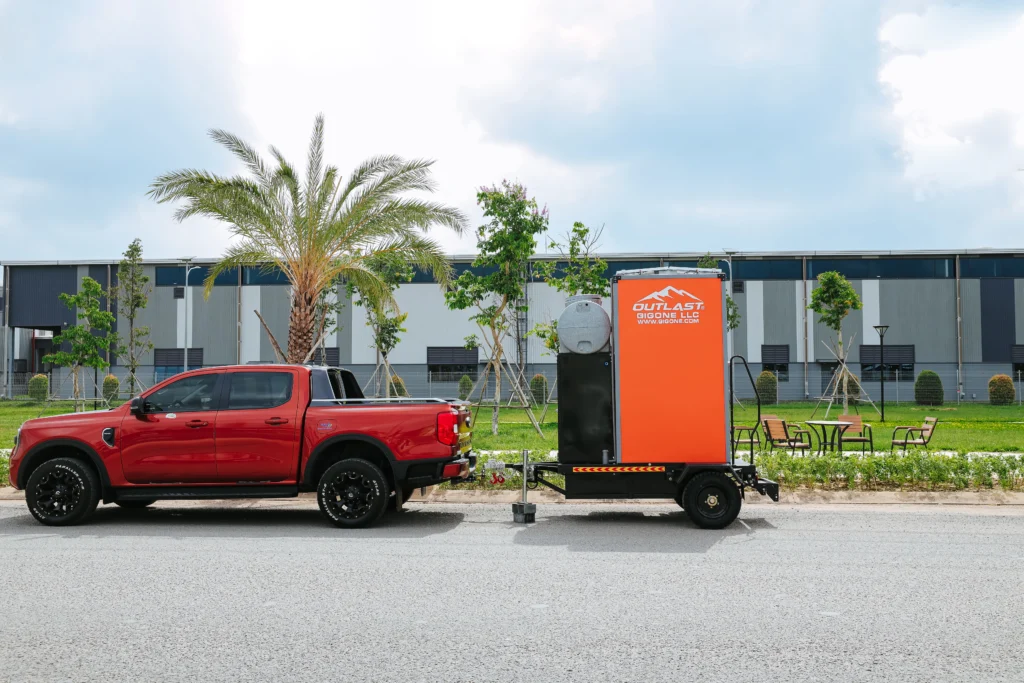

In public infrastructure, construction, disaster response, and large-scale outdoor operations, portable sanitation is not a temporary convenience—it is a mission-critical system. Structural integrity, durability, and long-term reliability determine whether a mobile restroom becomes an asset or a liability over time.
Premium Mobile Oasis™ – Models AA-1P and A-1P are engineered from the ground up to meet the demands of long-term deployment, harsh environmental exposure, and continuous public use. With a design lifespan exceeding 15+ years, these systems represent a new standard in durable, government-grade portable sanitation infrastructure.
This article explores how Structural Integrity and Durability are embedded into every engineering decision behind Models AA-1P and A-1P—from materials and load-bearing frameworks to weather resistance, insulation, and lifecycle cost optimization.
Understanding the importance of Structural Integrity & Durability in portable sanitation is crucial for both users and providers.
Table of Contents
Additionally, Structural Integrity & Durability serve as the foundation for designing robust sanitation solutions. The emphasis on Structural Integrity & Durability ensures reliability for users.
1. Structural Integrity as a Core Engineering Principle
Unlike conventional portable toilets designed for short-term events, Models AA-1P and A-1P are built as structural systems, not disposable enclosures.
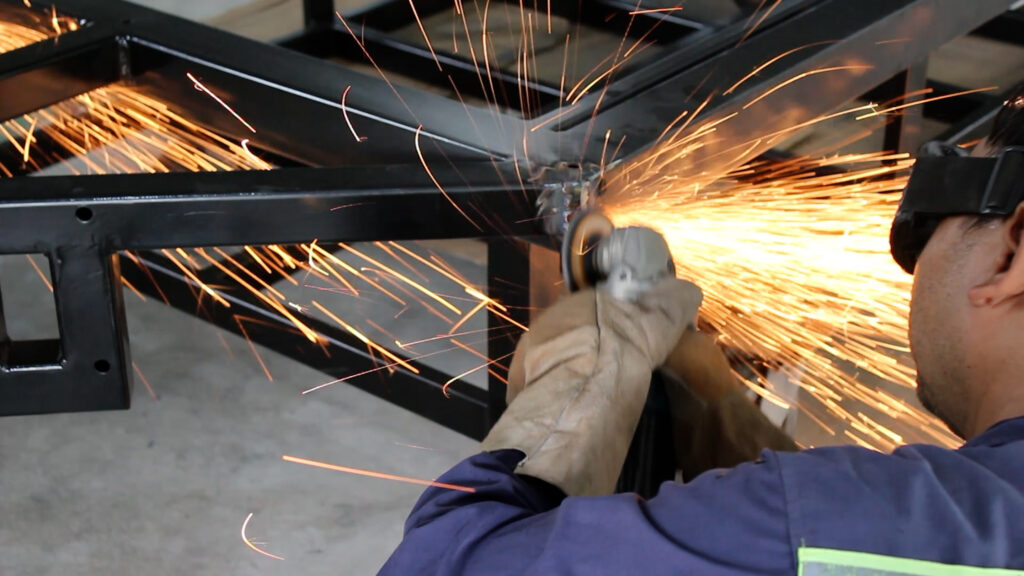
At the heart of both models lies a reinforced steel framework, engineered to deliver:
- High load-bearing capacity
- Structural Integrity & Durability during transportation and repeated redeployment
- Resistance to deformation under continuous use
With a focus on Structural Integrity and Durability, these units withstand the elements.
Moreover, Structural Integrity and Durability are prioritized in our design approach.
This structural design allows the units to remain dimensionally stable even after years of exposure to vibration, wind loads, and uneven terrain—conditions commonly found in construction sites, public lands, and remote deployments.
According to general infrastructure durability principles outlined by the U.S. Federal Highway Administration, long-term public assets must prioritize structural resilience over initial cost efficiency. Premium Mobile Oasis™ aligns with this philosophy by treating portable sanitation as infrastructure, not consumables.
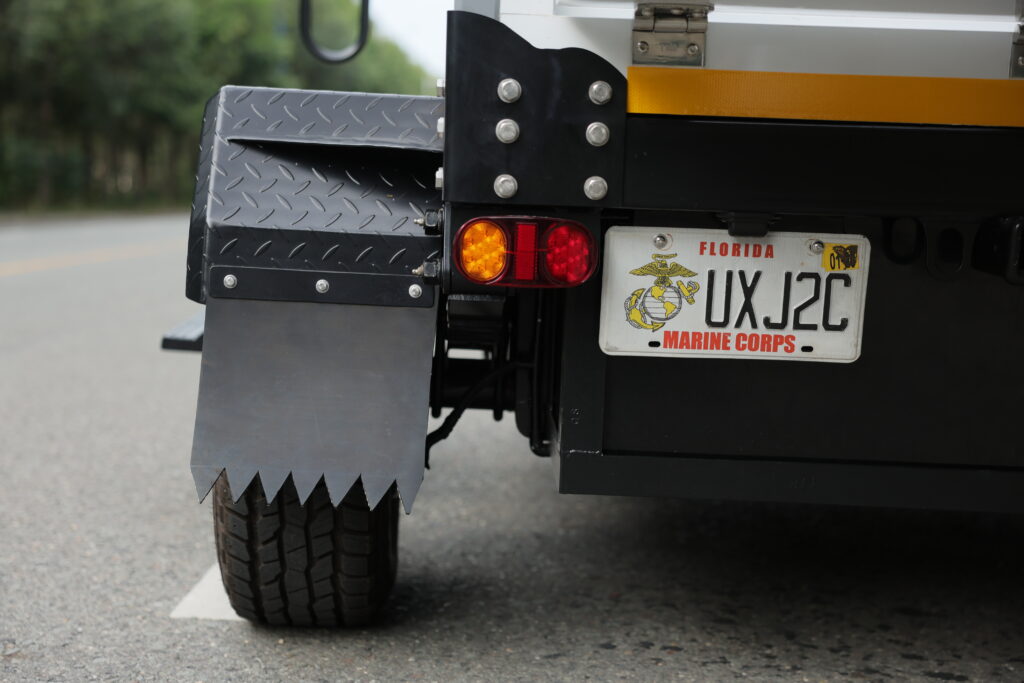
2. Industrial-Grade Materials for Extended Lifespan
Structural Integrity and Durability is only as strong as the materials behind it. Both AA-1P and A-1P utilize a carefully selected combination of:
- Corrosion-resistant metals
- Industrial-grade fasteners and connectors
- Heavy-duty wall and floor assemblies
These materials are chosen to withstand:
- High humidity and moisture exposure
- Chemical contact from sanitation processes
- UV radiation during prolonged outdoor use
Corrosion resistance is particularly critical in long-term deployments. Studies by NACE International (AMPP) indicate that corrosion-related failures significantly shorten infrastructure lifespan when not properly engineered.
By minimizing corrosion risks, Premium Mobile Oasis™ preserves structural integrity over decades, not seasons.
3. Built for Continuous Public Use
Public environments place unique demands on portable sanitation systems. Unlike private or limited-access units, public-facing restrooms experience unpredictable usage patterns, high traffic volumes, and diverse user behaviors.
Models AA-1P and A-1P are engineered for:
Our commitment to Structural Integrity and Durability extends the life of the units.
Ultimately, the Structural Integrity and Durability of these restrooms sets a benchmark in the industry.
Ensuring Structural Integrity and Durability is crucial for maintaining standards in public areas.
- Continuous daily operation
- Shared public access
- High-frequency entry and exit
Structural reinforcements are applied to doors, hinges, flooring, and access points—areas most vulnerable to fatigue failure in conventional units.
This makes both models suitable for:
- National parks and protected lands
- Public transportation hubs
- Long-term construction and infrastructure projects
- Government-operated service zones
The design supports public hygiene objectives while minimizing structural degradation caused by intensive use.
4. Full-Body Insulation for Structural and Thermal Stability
Durability is not only about strength—it is also about thermal resilience. Both models feature full-body insulation, which serves multiple critical functions:
- Stabilizes internal temperature in hot and cold climates
- Reduces thermal expansion and contraction stress on materials
- Protects internal systems from freezing or overheating
- Improves energy efficiency for heating and cooling systems
By reducing extreme temperature fluctuations, insulation directly contributes to long-term structural stability, preventing micro-cracks, material fatigue, and joint failure over time.
The U.S. Department of Energy highlights insulation as a key factor in extending system lifespan and reducing operational stress in mobile structures .
Our focus on Structural Integrity & Durability guarantees public safety.
5. Weather Resistance Across Extreme Conditions
Investing in Structural Integrity and Durability translates to long-term savings.
The concept of Structural Integrity and Durability is integral to our design philosophy.
Structural Integrity and Durability must account for environmental exposure, especially in regions with unpredictable or severe weather.
By ensuring Structural Integrity and Durability, we enhance user experience significantly.
Models AA-1P and A-1P are engineered to withstand:
- Wind speeds exceeding 100 mph
- Heavy rainfall and prolonged moisture exposure
- Dust, debris, and airborne particles
- Wide temperature fluctuations
This level of weather resistance allows deployment across diverse U.S. regions—from coastal zones to inland construction corridors and remote public lands.
The design aligns with general wind-resistance standards referenced by organizations such as ASCE (American Society of Civil Engineers), which emphasize wind load considerations for non-permanent structures used in public environments.
In conclusion, Structural Integrity and Durability are essential for long-lasting portable sanitation solutions.
6. Government-Grade and Industrial Compliance
Both models are engineered to meet government-grade and industrial-grade standards, making them suitable for B2G (Business-to-Government) applications.
This includes alignment with:
- Structural safety requirements
- Public-use durability expectations
- Long-term asset management criteria
Government projects prioritize lifecycle value, not short-term savings. A structurally durable unit reduces:
- Replacement frequency
- Maintenance labor
- Operational downtime
This makes AA-1P and A-1P ideal for public procurement, long-term concessions, and federally funded projects.
7. Designed for 15+ Years of Service Life
The defining benchmark of Structural Integrity and Durability is lifespan.
Both models are designed with a service life exceeding 15 years, even under demanding operating conditions. This longevity is achieved through:
- Reinforced structural frameworks
- Industrial-grade material selection
- Insulated, weather-resistant construction
- Reduced dependency on chemical winterization
Unlike conventional portable toilets that degrade within a few years, Premium Mobile Oasis™ units are engineered as long-term infrastructure assets.
8. Optimized for Rental-Based and Public Investment Models
For rental operators and public agencies, durability directly impacts total cost of ownership (TCO).
Longer lifespan means:
- Lower annualized capital cost
- Fewer replacements
- Predictable maintenance cycles
- Higher return on investment
According to infrastructure asset management principles outlined by the U.S. Government Accountability Office, durable assets significantly improve cost efficiency in long-term public service delivery .
Models AA-1P and A-1P are therefore optimized not only for performance, but for financial sustainability.
9. Structural Durability Without Environmental Compromise
Importantly, durability does not come at the expense of environmental responsibility.
The design avoids reliance on antifreeze chemicals and minimizes material waste over time. Fewer replacements mean:
- Reduced manufacturing emissions
- Lower material consumption
- Smaller environmental footprint
This aligns with sustainable infrastructure principles promoted by the U.S. Environmental Protection Agency .
Conclusion: Structural Integrity as a Long-Term Commitment
Structural Integrity and Durability are not optional features—they are foundational requirements for modern portable sanitation infrastructure.
With reinforced steel frameworks, industrial-grade materials, full-body insulation, extreme weather resistance, and a 15+ year design lifespan, Premium Mobile Oasis™ – Models AA-1P and A-1P redefine what durable portable restrooms can be.
They are not built for one event or one season.
They are built for years of service, public trust, and long-term operational value.
For governments, infrastructure operators, and rental businesses seeking a reliable, durable, and future-ready sanitation solution, structural integrity is not a claim—it is an engineering commitment.