

New Zealand is a global icon for outdoor adventure. Freedom Camping Mobile Restroom New Zealand—parking self-contained vehicles overnight in public spaces—has long been a cornerstone of its tourism appeal. Yet growing pressure on public infrastructure, environmental concerns, and community complaints have led to new regulations.
As of 7 December 2024, New Zealand requires that all vehicles seeking certification as “self-contained” must include a fixed or plumbed-in mobile restroom. Portable units are no longer sufficient.
This landmark change has significant implications: it raises standards for campers, challenges operators of budget campervans, and creates new opportunities for premium mobile restroom New Zealand services.
1. Why Freedom Camping Needed Reform
1.1 Visitor Growth and Pressure on Infrastructure
New Zealand welcomed 2.9 million international visitors in 2023, almost double the 2022 figure. Many travelers opt for campervans to explore the country’s landscapes.
However, local councils reported increasing issues with waste disposal, litter, and pressure on public restrooms in popular camping spots. A 2021 survey found that 42% of New Zealanders were concerned about freedom camping’s impact on the environment and community facilities (MBIE Discussion Paper).
1.2 Environmental Concerns
The Department of Conservation manages 14,000 km of tracks and 950 huts across New Zealand (DOC). Many of these sites face sanitation challenges, with waste contamination threatening fragile ecosystems. Freedom campers without adequate restrooms contributed to these problems.
2. The New Freedom Camping Regulations

2.1 Self-Containment Technical Requirements
The updated law mandates that to be certified self-contained under NZS 5465:2001, vehicles must include:
- Freshwater storage of at least 4L per person per day for 3 days.
- Grey/black wastewater tanks of equivalent capacity.
- A fixed sink connected to wastewater storage.
- A plumbed or fixed mobile restroom with a minimum 3L capacity for solid waste.
- Vented, sealed systems to minimize odor and leakage.
2.2 Portable Restrooms No Longer Accepted
The most notable change: portable mobile restrooms are no longer sufficient. Certification now demands fixed or plumbed-in systems.
2.3 Enforcement
Councils and compliance officers can issue fines to uncertified vehicles. Campgrounds and rental companies must adapt their fleets to avoid penalties.
3. Challenges Created by the New Laws
3.1 Cost Barriers for Budget Campers
Entry-level campervans that once relied on portable units must now undergo costly upgrades. Installing fixed mobile restrooms raises vehicle prices, potentially limiting freedom camping access for budget travelers.
3.2 Pressure on Rental Fleets
New Zealand’s rental industry operates tens of thousands of campervans. Retrofitting vehicles with fixed mobile restrooms is a major logistical challenge. Some operators may exit the market or shift to higher-end models.
3.3 Waste Disposal Infrastructure
While Rotorua operates a 24/7 free mobile restroom disposal station (Rotorua Lakes Council), many regions lack equivalent facilities. Increased demand for waste disposal from fixed systems will strain infrastructure further.
4. Freedom Camping Mobile Restroom New Zealand
4.1 Premium Rental Services
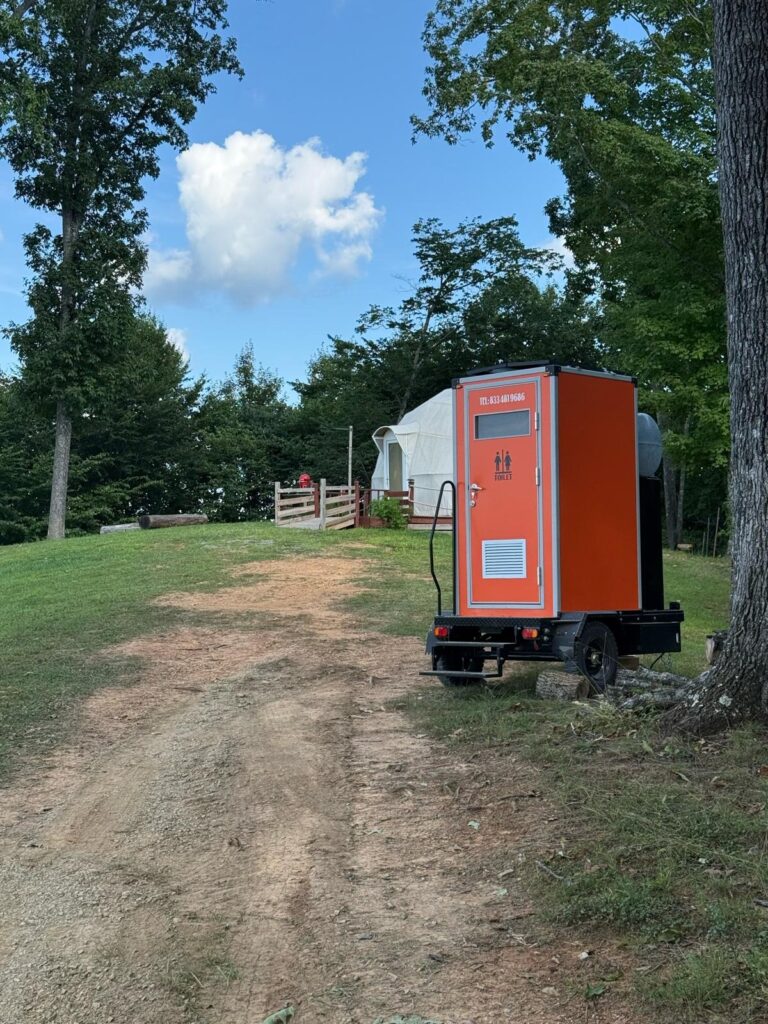
The law favors higher-end campers with integrated restrooms. Mobile Oasis can partner with rental companies to provide certified mobile restroom modules or retrofitting solutions.
4.2 Campsite Partnerships
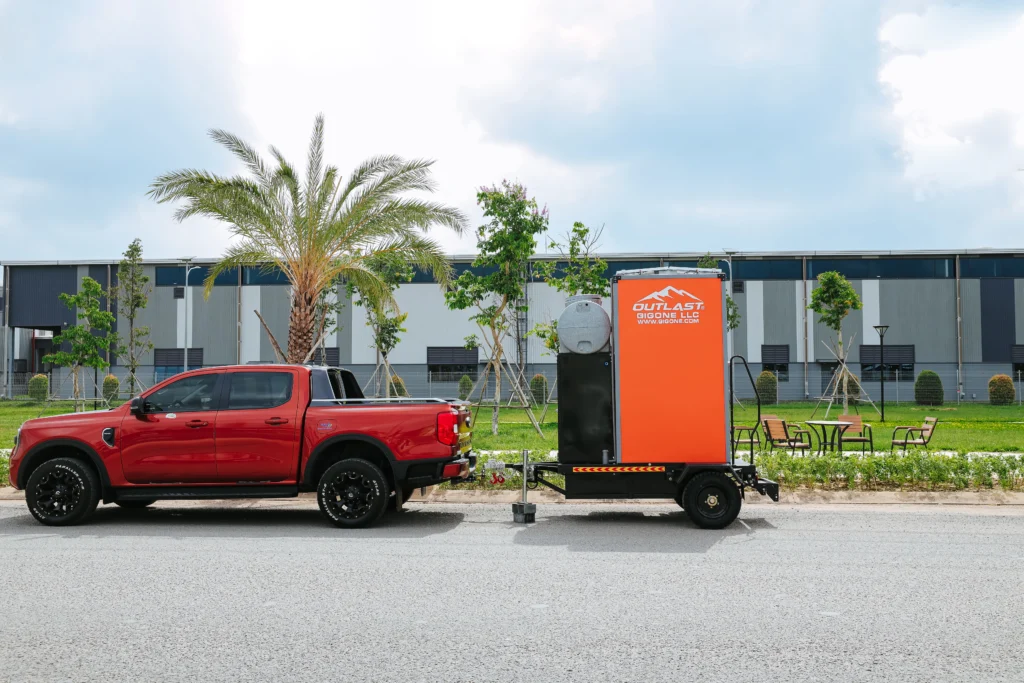
Holiday parks and Freedom Camping Mobile Restroom New Zealand will need additional sanitation infrastructure. Mobile Oasis can deploy fleets of modern mobile restrooms to supplement capacity, ensuring compliance and user satisfaction.
4.3 Event and Tourism Growth
Events like Rhythm & Vines Festival (20,000+ attendees) (RNZ) and popular hotspots like Queenstown and Rotorua benefit from scalable mobile restroom services.
4.4 Sustainability Advantage
By offering vacuum flush restrooms, solar-powered ventilation, and odor control systems, Mobile Oasis aligns with New Zealand’s eco-tourism vision and helps reduce environmental impact.
5. How Mobile Oasis Meets the Challenge
At Mobile Oasis, our mobile restrooms are designed to exceed compliance and user expectations:
- Certified fixed systems for integration with campervans, event sites, and public zones.
- Sustainable waste management with dry-wet separation tanks.
- Luxury options for conferences, weddings, and VIP events.
- Scalable fleets to serve festivals, campgrounds, and tourism destinations.
We bridge the gap between stricter regulations and real-world sanitation needs.
6. The Road Ahead
- Industry Transition: Campervan fleets must adapt by 2025. Mobile Oasis can provide retrofit-friendly restroom solutions.
- Council Collaboration: Partnering with local councils to expand waste disposal sites and mobile restroom capacity.
- Public Education: Informing campers and tourists about compliance, while offering practical rental solutions.
- Sustainability Leadership: Mobile Oasis showcases innovation in eco-friendly sanitation, strengthening New Zealand’s reputation as a green tourism leader.
Conclusion
Freedom camping is central to New Zealand’s tourism identity, but it must evolve to protect communities and the environment. The 2024 law requiring fixed mobile restrooms represents a turning point. While it creates cost and infrastructure challenges, it also opens the door to premium, sustainable, and scalable solutions.
At Mobile Oasis, we are ready to lead this change. By providing certified, eco-friendly mobile restrooms, we help New Zealand uphold its tourism promise while safeguarding its natural beauty.
Contact Mobile Oasis today to discuss Freedom Camping Mobile Restroom New Zealand, tourism, or event needs.