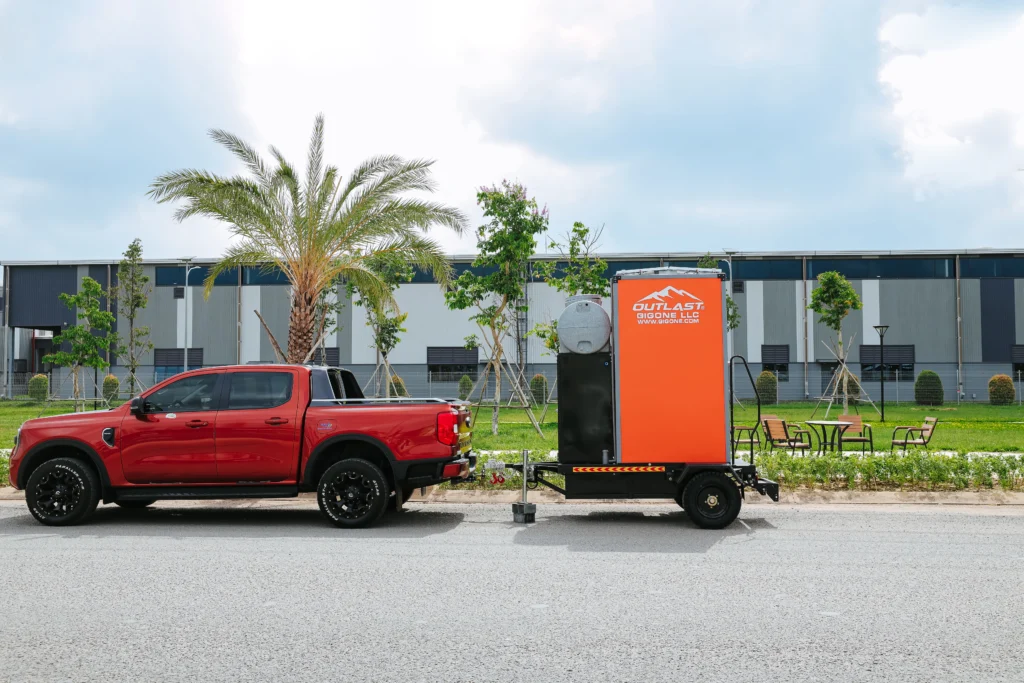

Christchurch has been at the heart of New Zealand’s resilience story. Since the devastating earthquakes of 2010 and 2011, the city has undergone one of the largest and most complex urban rebuilds in the Southern Hemisphere. According to the Canterbury Earthquake Recovery Authority (CERA), the total estimated cost of the rebuild exceeded NZ$40 billion (NZ Parliament Report).
At the same time, Mobile restroom Christchurch has continued to grow. As of 2025, the city is home to around 390,000 residents (StatsNZ), making it New Zealand’s second largest urban area. Combined with a steady stream of tourists and major events, this population creates rising demand for mobile restroom Christchurch services—especially across construction sites, festivals, and community gatherings.
Mobile Oasis believes Christchurch is more than just a rebuilding city—it is a symbol of opportunity. The scale of reconstruction, coupled with the vibrant event scene, underscores why investing in advanced mobile restrooms is crucial for supporting the city’s growth.
1. Christchurch Rebuild: Scale and Ongoing Projects
1.1 The Earthquake Legacy
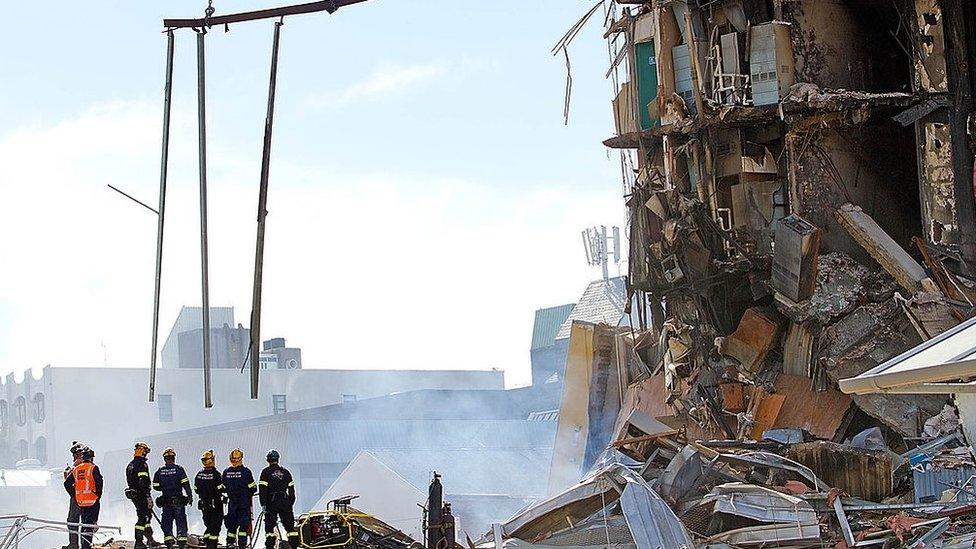
The 2010 and 2011 earthquakes destroyed or damaged over 100,000 homes and more than 1,000 commercial buildings in Christchurch (Canterbury Earthquakes Recovery Authority). The central business district (CBD) was nearly flattened, forcing a decade-long rebuild.
Today, over a decade later, Christchurch continues to transform. The Christchurch Central Recovery Plan identified anchor projects such as the Justice and Emergency Precinct, Te Pae Christchurch Convention Centre, and the Metro Sports Facility. Each of these construction projects requires temporary infrastructure, including mobile restrooms for thousands of workers and visitors.
1.2 Construction Workforce Needs
Rebuilding efforts created thousands of jobs. At the peak of reconstruction, more than 30,000 people were employed in Canterbury’s construction sector (MBIE Construction Report). Even in 2025, the demand remains strong as new housing, commercial towers, and civic projects continue. For every large-scale construction site, mobile restrooms are a compliance requirement under New Zealand’s health and safety laws.
2. Community Events and Cultural Revival
2.1 Christchurch as a Festival City
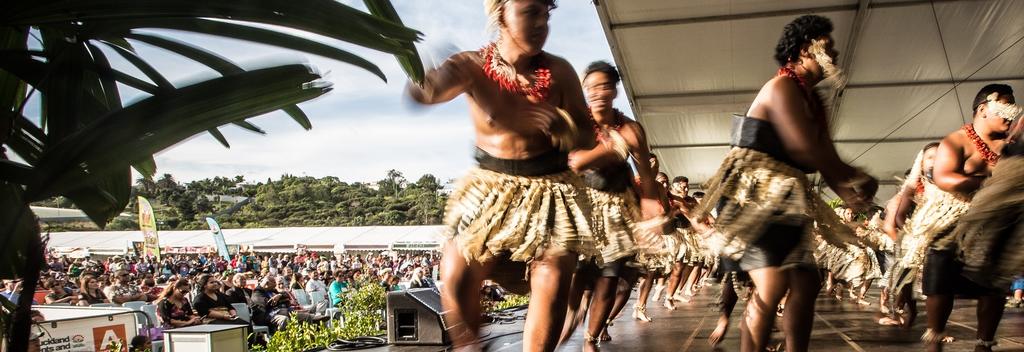
Christchurch has reinvented itself as a cultural hub. Events like the World Buskers Festival (Bread & Circus) attract tens of thousands of visitors each summer (ChristchurchNZ). Outdoor community events, food festivals, and seasonal markets rely heavily on mobile restrooms to ensure crowd comfort and sanitation.
2.2 Sports and Recreation Demand
The rebuilt OrangeTheory Stadium (formerly AMI Stadium) and community sports grounds host rugby, cricket, and local competitions. With Christchurch’s population projected to grow to 500,000 by the 2040s (Greater Christchurch Partnership), demand for event-ready mobile restrooms will expand alongside recreation and sports.
2.3 Tourism Recovery
In the year to June 2023, Canterbury welcomed 536,000 international visitors and over 5.4 million domestic overnight stays (MBIE Tourism Data). Attractions like the Botanic Gardens, Canterbury Museum, and Hagley Park pull large crowds, all of whom depend on accessible sanitation. When permanent facilities are inadequate, mobile restrooms fill the gap.
3. Why Mobile restroom Christchurch Are Critical
3.1 Construction Sites
Mobile restroom Christchurch demands reliable sanitation for thousands of workers. Mobile restrooms provide on-site hygiene, reducing downtime and complying with workplace safety laws.
3.2 Events and Festivals
From New Zealand Agricultural Show to Night Noodle Markets, Christchurch’s events bring tens of thousands together in temporary venues. Mobile restrooms scale with these needs and ensure a positive visitor experience.
3.3 Disaster Preparedness
Christchurch knows firsthand the importance of resilience. Mobile restrooms are vital in disaster response scenarios, providing emergency sanitation when fixed systems fail. Mobile Oasis units, designed with solar energy and vacuum flush technology, ensure rapid deployment in crises.
4. Challenges Facing Christchurch’s Sanitation Infrastructure
4.1 Waste Disposal Limitations
Unlike Auckland, Christchurch lacks a dense network of dump stations. Waste transport can be costly and logistically challenging. Rotorua’s 24/7 free dump station (Rotorua Lakes Council) is often cited as a model Christchurch could replicate.
4.2 Public Pressure for Clean Facilities
Residents and tourists demand higher sanitation standards. Complaints about cleanliness or lack of facilities hurt Christchurch’s reputation as a revitalized city. Event organizers and councils are under pressure to deliver high-quality mobile restroom experiences.
4.3 Regulatory Compliance
Freedom camping laws apply across Canterbury. Vehicles and sites hosting campers must provide compliant self-contained mobile restrooms under the 2024 regulatory changes (MBIE.govt.nz).
5. Mobile Oasis Solutions for Christchurch
At Mobile Oasis, we deliver mobile restrooms tailored to Christchurch’s unique needs:
- For construction: durable, worker-safe restrooms with non-slip flooring, odor control, and efficient water usage.
- For festivals and events: luxury mobile restrooms with LED lighting, handwashing stations, and premium interiors for VIP experiences.
- For community spaces: eco-friendly mobile restrooms powered by solar energy and designed for accessibility.
- For emergency response: rapid-deploy units with dry-wet separation septic tanks to protect public health.
6. Future Opportunities
- Eco-Friendly Rebuild: As Christchurch positions itself as a green city, sustainable mobile restrooms using vacuum flush and solar power will align with its climate goals.
- Smart Sanitation: Integration of sensors for occupancy and waste levels ensures proactive maintenance.
- Public-Private Partnerships: Councils can collaborate with Mobile Oasis to provide mobile restrooms at parks, waterfronts, and tourist attractions.
- Tourism Expansion: With rising international arrivals, mobile restrooms can enhance visitor experiences at heritage sites and outdoor attractions.
Conclusion
Christchurch’s rebuild is more than a story of recovery—it is a blueprint for urban resilience. With NZ$40 billion invested in reconstruction, over 390,000 residents, and millions of annual visitors, the demand for mobile restrooms in Christchurch is undeniable.
Mobile Oasis is ready to meet this demand. By offering sustainable, luxury, and emergency-ready mobile restrooms, we help Christchurch thrive—whether on construction sites, at cultural festivals, or during times of crisis.
Contact Mobile Oasis today to discuss tailored mobile restroom solutions for your project, event, or community in Christchurch.