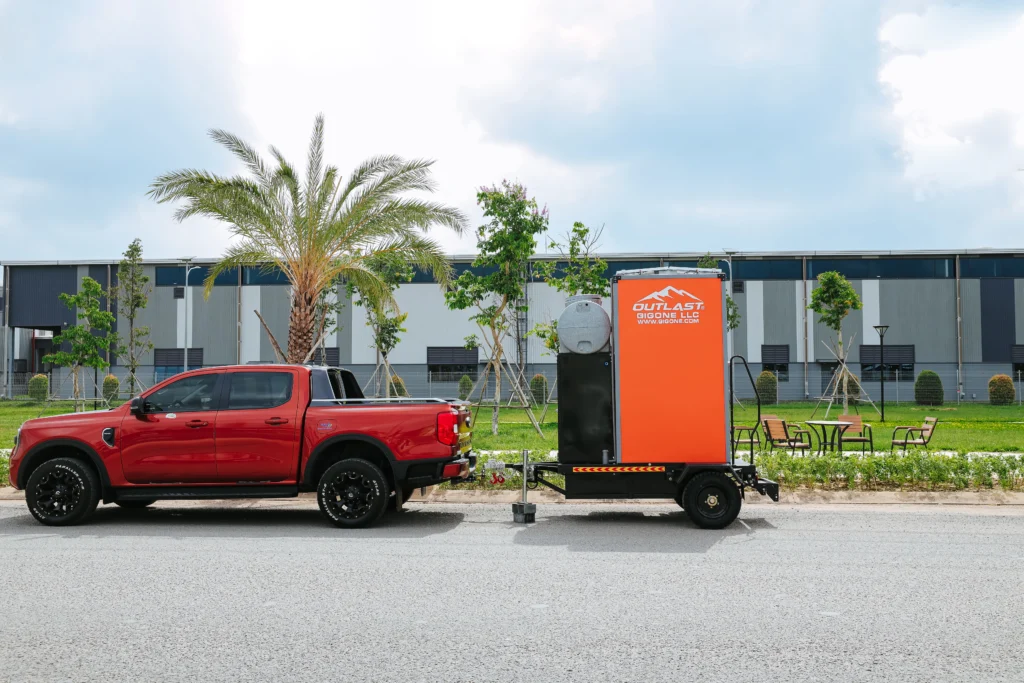

The global demand for mobile restrooms is on a sharp rise. In 2024, the worldwide rental market was valued at US$1.48 billion and is forecast to reach US$2.16 billion by 2029, growing at a compound annual rate of 7.5% (The Business Research Company). This trend is mirrored in New Zealand, where bathroom product sales alone stood at NZ$358.5 million in 2020 and are projected to double to NZ$772.2 million by 2030 (Allied Market Research).
At Mobile Oasis, we view these figures as more than numbers—they represent urgent opportunities. New Zealand’s growing urban centers, frequent outdoor events, booming tourism, and recent regulatory reforms make mobile restrooms not just a convenience but a necessity.
1. Understanding the Market Drivers

1.1 Population Growth and Urban Development
New Zealand’s largest cities are expanding rapidly: Auckland houses over 1.6 million people, Christchurch nearly 370,000, Wellington about 202,000, and Hamilton around 160,000 (ehinz.ac.nz). As populations swell, demand for modern sanitation solutions grows, particularly at construction sites, housing projects, and infrastructure developments. Mobile restrooms offer an immediate, cost-effective response to these needs.
1.2 Event-Driven Demand
New Zealand is a land of festivals and sports. From the Rhythm & Vines music festival in Gisborne to international rugby matches at Eden Park in Auckland, large crowds generate sanitation needs that fixed infrastructure cannot always meet. Event organizers increasingly rely on mobile restrooms to maintain hygiene and enhance guest satisfaction.
1.3 The Tourism and Camping Sector
Tourism contributes significantly to New Zealand’s economy. Freedom camping is popular, but it is also highly regulated. As of December 7, 2024, all rental vehicles certified as self-contained must include a fixed or plumbed mobile restroom. Portable restrooms no longer qualify under the self-containment law (Lonely Planet). This regulation pushes demand for compliant, high-quality mobile restrooms at campgrounds, holiday parks, and tourism venues.
2. Regulatory Environment and Its Implications
2.1 Self-Containment Standards
New Zealand’s self-containment technical requirements specify that a certified vehicle must have:
- A fresh water tank of at least 4 litres per person per day for 3 days,
- A grey/black wastewater tank of the same capacity,
- A fixed sink linked to wastewater containment,
- A plumbed or fixed mobile restroom with a minimum net holding capacity of 3 litres,
- A vented, sealed system for odor and hygiene control.
These rules create challenges—raising compliance costs—but also opportunities for companies like Mobile Oasis to supply certified, advanced mobile restrooms that meet or exceed standards.
2.2 Local Council Pressure
Councils face public pressure to improve sanitation. For example, in Tauranga, a sports ground serving 4,000 people was criticized for offering only six restrooms. Stories like these highlight the urgent need for scalable solutions—precisely what mobile restrooms provide.
3. Opportunities Across New Zealand’s Regions
3.1 Auckland – The Commercial Hub
With its 1.6+ million residents and role as a cultural capital, Auckland presents unmatched demand. Large-scale concerts, sports matches, conferences, and construction projects require both basic rental mobile restrooms and luxury models for VIP guests.
3.2 Christchurch – Rebuilding and Growth
Post-earthquake rebuilding has created a long-term need for restrooms on construction sites and community gatherings. Mobile restrooms here support resilience and redevelopment.
3.3 Wellington – The Political and Cultural Capital
As the seat of government, Wellington hosts summits, diplomatic gatherings, and arts festivals. These require premium mobile restrooms with advanced features like vacuum flush, solar lighting, and odor-control ventilation.
3.4 Hamilton – Sport and Agriculture
Hamilton’s growing population and major sports facilities (such as Waikato Stadium) create consistent demand. Agricultural field days and exhibitions also benefit from durable, easy-to-maintain mobile restrooms.
4. Waste Management and Infrastructure Gaps

4.1 Limited Dump Stations
While Rotorua City Council operates a 24/7 free dump station for mobile restrooms at its wastewater treatment plant (Rotorua Lakes Council), many regions lack equivalent infrastructure. Operators face higher costs transporting waste to compliant sites.
4.2 Public Perceptions of Sanitation
Lower Hutt residents have complained of strong odors from wastewater treatment, sparking debates about sanitation and environmental responsibility (The Guardian). Mobile Oasis addresses such concerns by integrating odor control systems and dry-wet separation tanks in our restrooms.
5. Mobile Oasis Solutions
At Mobile Oasis, we design mobile restrooms to meet New Zealand’s specific needs:
- Vacuum flush systems reduce water consumption by up to 90%.
- Solar-powered LED lighting and ventilation fans for energy efficiency.
- Odor-neutralizing ventilation with natural airflow integration.
- Dry-wet separation tanks for simplified waste disposal.
- Customizable branding for event organizers and corporate partners.
- Durability against NZ’s climate with wind resistance up to 80 mph.
6. Future Trends
- Smart restrooms with sensors to monitor waste levels, motion detection lighting, and automated flushing.
- Eco-friendly design prioritizing sustainability, water savings, and renewable energy.
- Integration with tourism strategies, supporting responsible freedom camping and sustainable visitor growth.
- Public-private partnerships, where councils and private companies share responsibility for mobile restroom infrastructure.
Conclusion
The mobile restroom market in New Zealand is entering a transformative stage. With global market growth at 7.5% CAGR and domestic demand fueled by events, construction, and regulatory changes, the opportunities are immense. Yet challenges remain—limited waste infrastructure, stricter laws, and public dissatisfaction with outdated facilities.
At Mobile Oasis, we are committed to bridging this gap. By providing internationally certified, sustainable, and premium mobile restrooms, we help New Zealand’s cities, events, and tourism industry create a cleaner, healthier, and more future-ready environment.
Contact Mobile Oasis today to learn how our solutions can support your event, construction site, or tourism project in New Zealand.