Table of Contents
1. Market Size
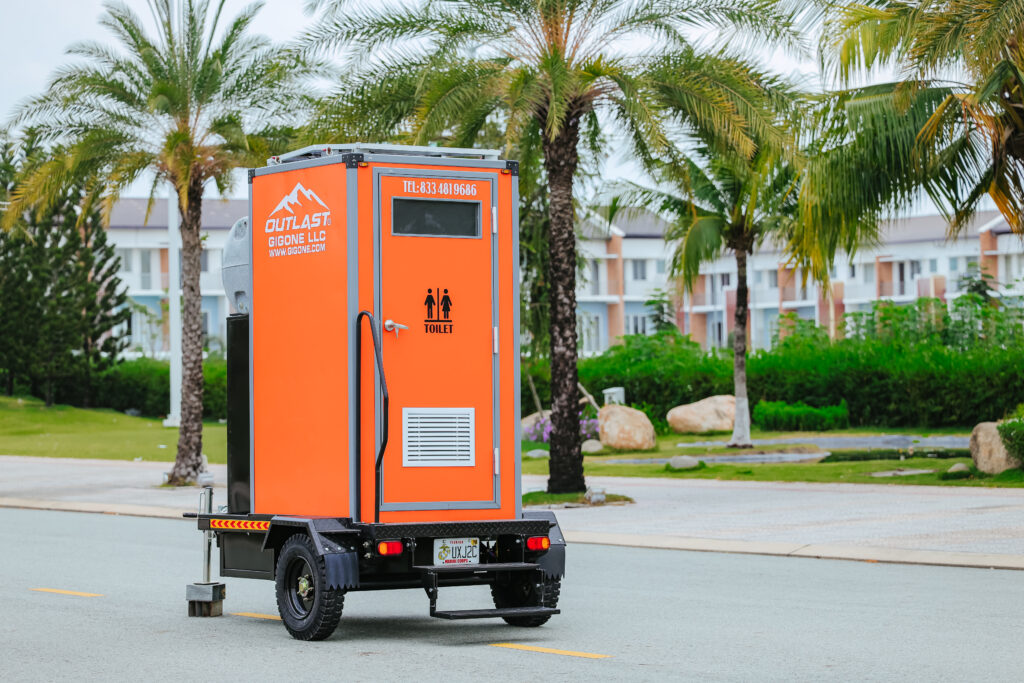
The portable restroom market in New Zealand is estimated at USD 180 million in 2024 and is projected to reach USD 320 million by 2030, growing at a CAGR of 8.3% from 2025 to 2030. The significant expansion of construction projects, alongside growing demand from outdoor events and eco-tourism, is driving market growth. Beyond convenience, both consumers and businesses increasingly prioritize hygiene, sustainability, and premium experience – transforming portable restrooms from temporary solutions into an essential part of modern soft infrastructure.
Key Trends and Insights
- The construction sector accounts for over 50% of the portable restroom market in New Zealand in 2024.
- The outdoor events and festivals segment contributes around 25% of market share, showing the fastest growth between 2025-2030.
- Eco-tourism and road trips are boosting demand for environmentally friendly portable restrooms, projected to grow at a CAGR of 10% from 2025–2030.
- According to MBIE, New Zealand welcomed 3.31 million international visitors in 2024, up 12% from 2023; of these, holiday visitors reached 1.6 million (+21%).
- Usage of premium portable restrooms at international events such as F1 races, concerts, and festivals is rising sharply, reflecting a global trend.
Market Size and Forecast
- Market Size 2024: USD 180 million
- Projected Market Size 2030: USD 320 million
- CAGR (2025-2030): 8.3%
- Largest Segment: Construction portable restrooms
- Fastest Growing Segment: Tourism & outdoor events
2. New Zealand: Growth Drivers and Regional Outlook
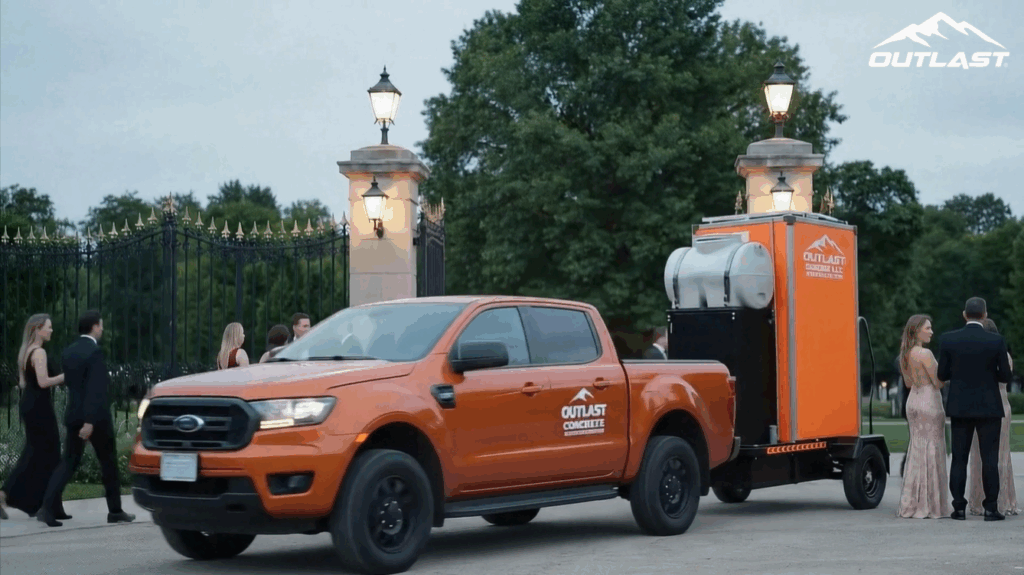
- International Tourism Boom: Over 3.5 million visitors annually, creating widespread demand for mobile sanitation across trails, beaches, and campsites.
- Construction Expansion: ~4% annual growth projected until 2027, requiring on-site sanitation compliance.
- Outdoor Events and Festivals: Rugby, cricket, international concerts, and other large-scale gatherings drive demand for premium portable sanitation solutions.
- Sustainability Trend: Portable restrooms made from biodegradable materials and water-saving technologies are increasingly adopted.
Events and Outdoor Festivals
New Zealand is renowned for its vibrant cultural life. In cities like Auckland and Wellington, sports events such as rugby and cricket, along with outdoor music festivals, attract tens of thousands of attendees, all requiring mobile sanitation solutions. Here, portable restrooms are not merely functional but form part of the overall guest experience, directly influencing the event’s image.
Construction Sites and Sanitation Solutions
The construction industry in New Zealand, particularly in rural areas, is on a stable growth trajectory, with an expected annual growth of ~4% until 2027 (MBIE). Thousands of construction sites require portable restrooms to comply with labor hygiene regulations and provide safe, dignified working conditions. This segment represents the “must-have” category and holds the largest share in the portable restroom rental market.
Green Tourism and Sustainable Living
Over 3.5 million international visitors arrive in New Zealand annually (Tourism NZ), most engaging in nature-based activities such as trekking, camping, or long road trips. Popular eco-tourism destinations like Queenstown and Rotorua see high footfall, driving urgent demand for environmentally friendly portable restrooms.
According to MBIE, in 2024 alone, New Zealand welcomed 3.31 million international visitors (+12% YoY), with 1.6 million visiting for holidays (+21%). This influx pressures temporary facility ecosystems, from parking and rest stops to nature trails, beaches, and local festivals – all requiring high-standard mobile sanitation to protect visitor experience and destination image.
3. Regulations: What Renters and Providers Need to Know
Operating in New Zealand’s portable restroom sector requires strict compliance with labor, environmental, and local event management regulations. Key points include:
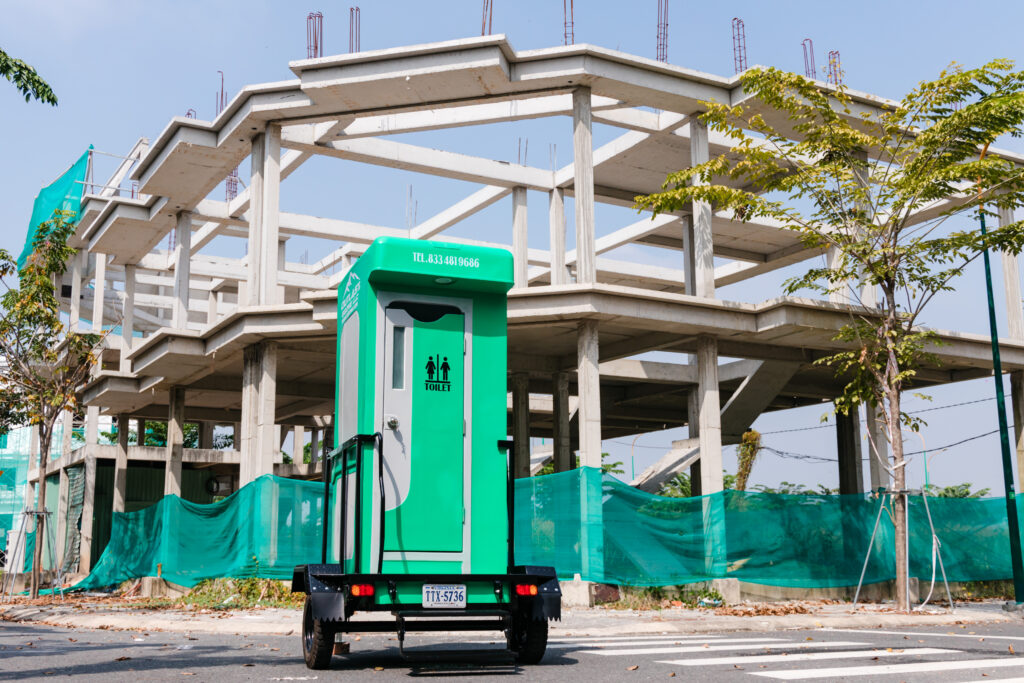
- WorkSafe NZ (HSWA 2015): All workplaces must provide adequate facilities, including restrooms and handwashing stations.
City Council Requirements: Major events must have waste management plans. restroom numbers depend on attendees and event duration; alcohol service requires 30-40% more units. Handwashing stations or sanitizers are mandatory. - Resource Management Act (1991): Waste transport and disposal must occur at licensed facilities.
- Industry Standards (e.g., PSAI): While voluntary, these serve as a benchmark for service quality, ethical operations, and environmental commitment.
4. Market Development Challenges
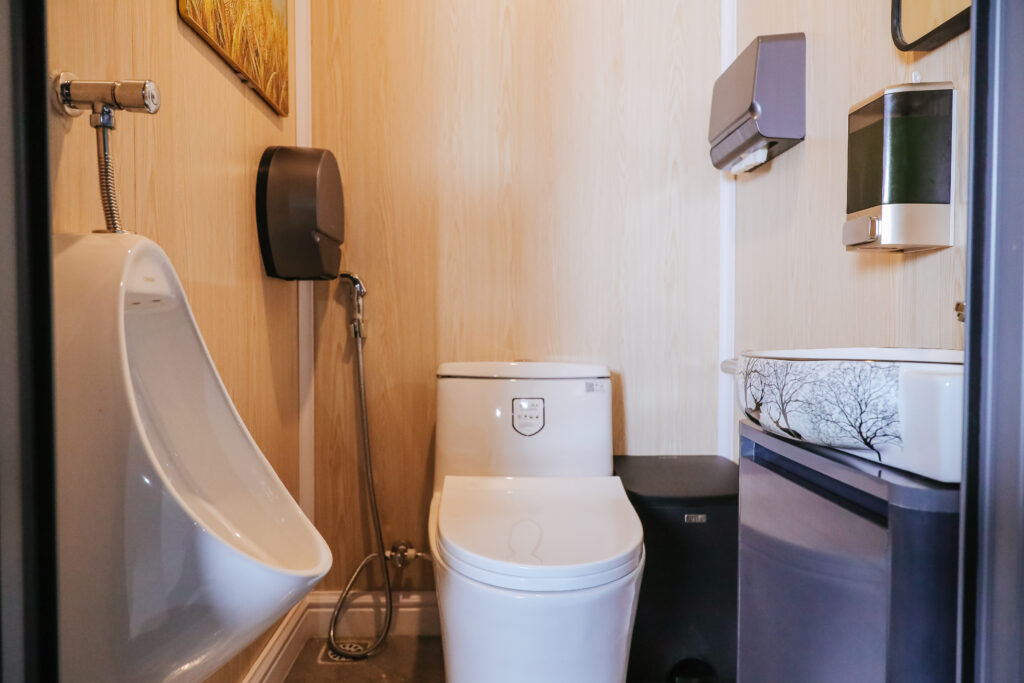
Despite clear growth potential, New Zealand’s portable restroom market faces several challenges. According to IBISWorld, ~25-30% of small providers use low-cost units that deteriorate within 2-3 years, creating the perception that portable restrooms are cramped and unsanitary, reducing user acceptance.
Unfamiliarity with premium sanitation is another barrier. Eventbrite research shows over 40% of attendees at upscale events in Australia and New Zealand perceive “temporary hygiene” as a major drawback.
Operating costs are also substantial: providers typically spend 15-20% of revenue on maintenance, waste handling, and transport. For inefficient operations, profit margins shrink considerably.
5. Top 5 Portable Restroom Providers in New Zealand
Top 1 – Mobile Oasis
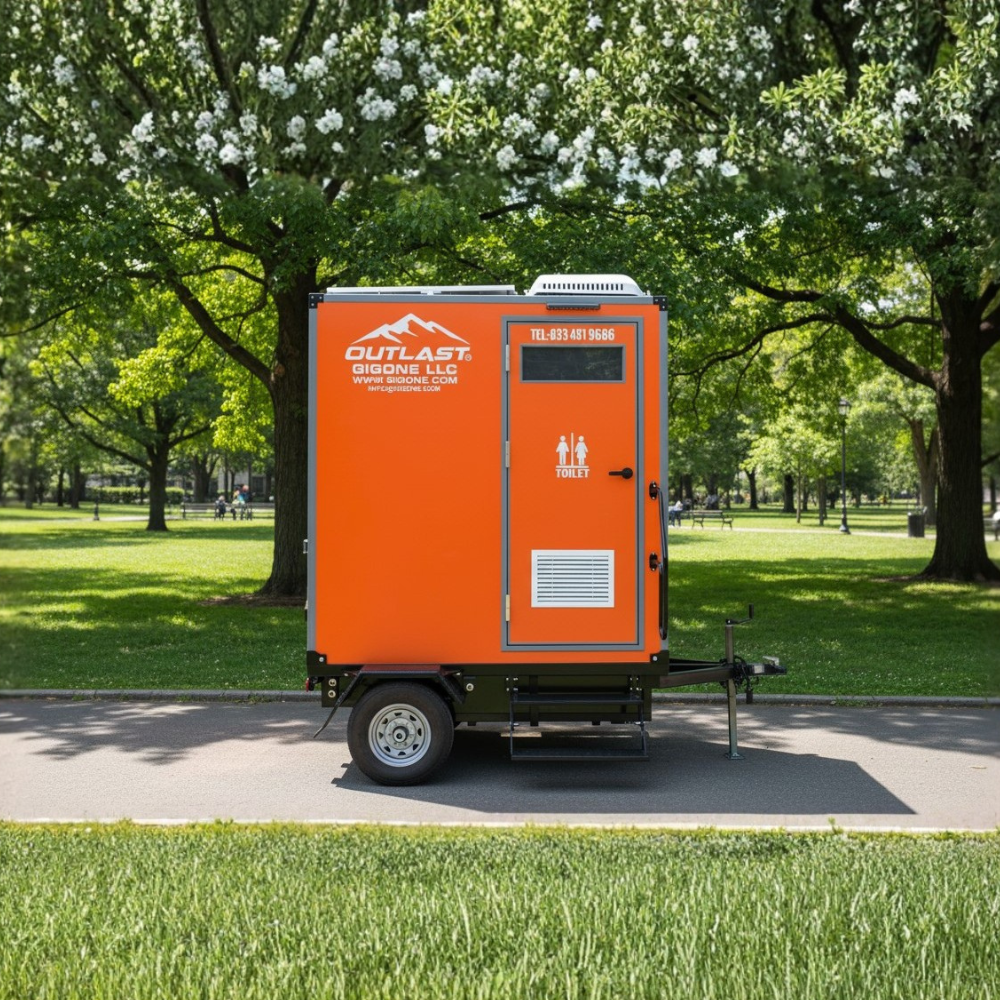
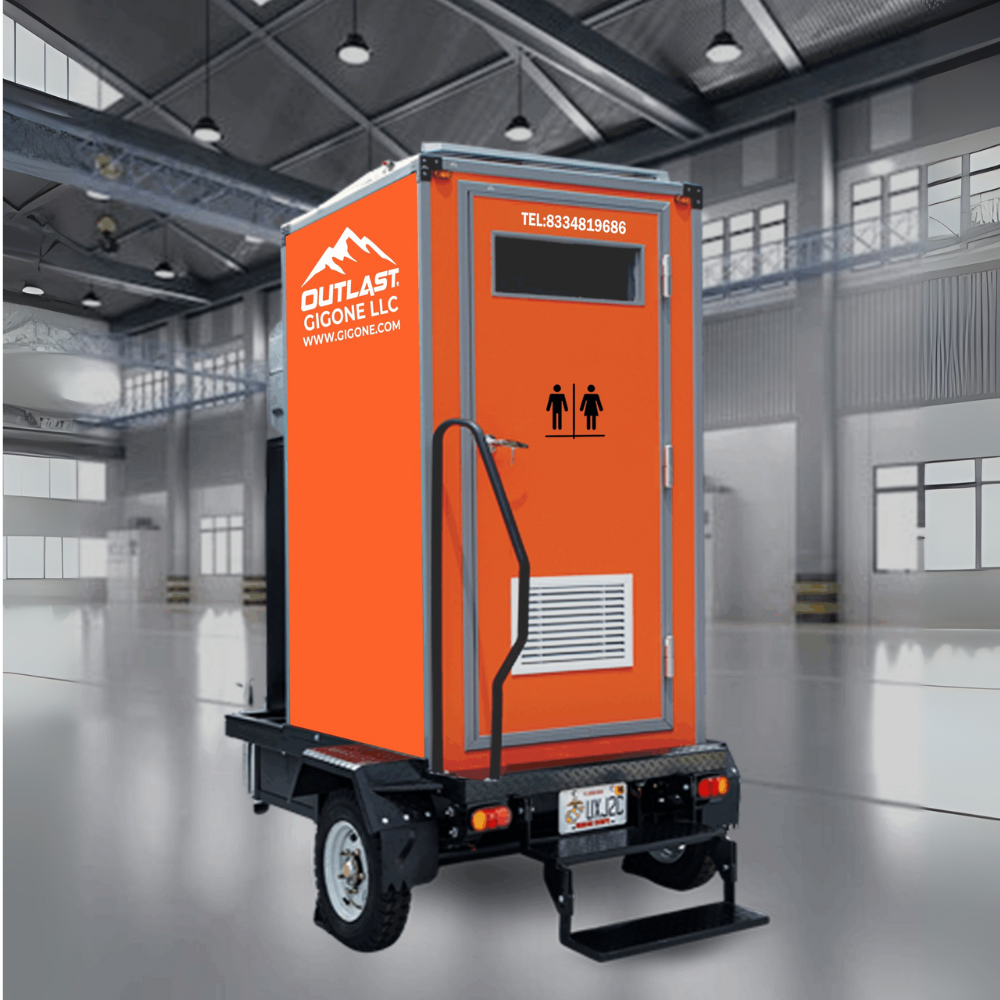
Mobile Oasis offers high-end portable restrooms. Highlighted products feature steel-framed cabins with premium interiors, eco-friendly solutions, and smart operation via GPS & SLA dashboard-ideal for events, construction, and B2B rentals.
Top 2 – Kiwi Flush
Renowned for exceptional cleanliness, Kiwi Flush uses freshwater flush systems and barcode-based unit tracking. High quality comes at a premium, making it less suited for budget-conscious events.
Top 3 – FLSSH
FLSSH segments offerings from standard to Prestige, with advanced sanitation technology comparable to healthcare. Some clients note inflexibility for urgent adjustments due to rigid designs.
Top 4 – Deluxe Restrooms
Deluxe Restrooms offers hotel-like mobile experiences with audio systems, LED lighting, and even hairdryers. Ideal for VIP events, but high costs limit broader adoption.
Top 5 – Outback Bathrooms
Focusing on multi-purpose units (bath + restroom) for long trips and accessibility needs, Outback Bathrooms offers comprehensive solutions but can be bulky, complicating rapid deployment in confined spaces.
6. Business Trends
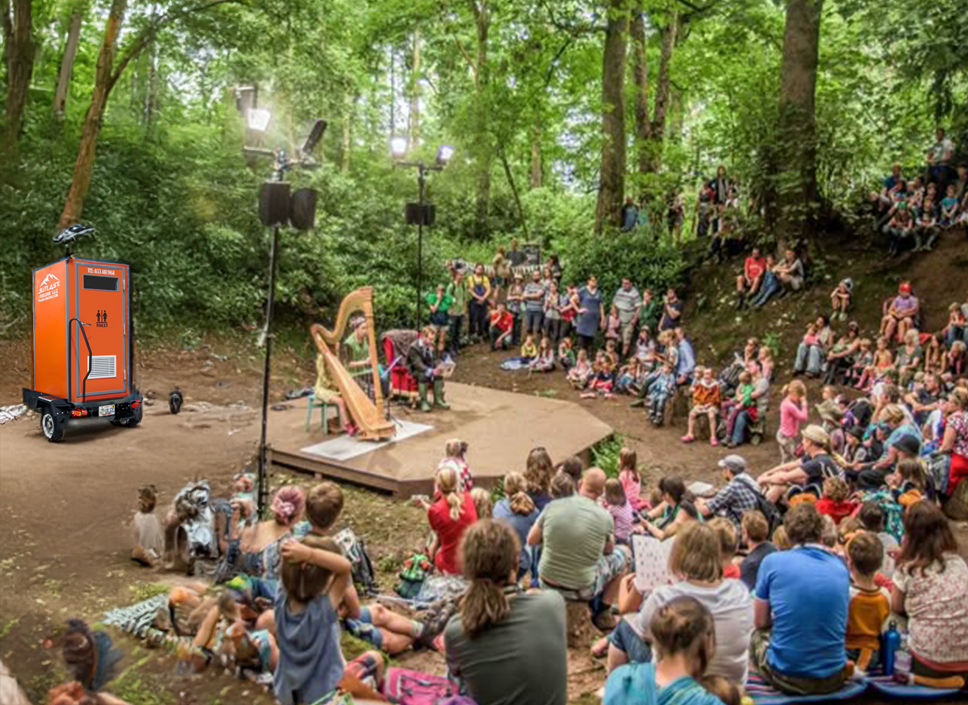
Globally, Mobile Oasis redefines mobile sanitation from a basic service into an integrated experience for events, construction, and community projects. Many businesses prefer rental models over ownership, reducing upfront investment, minimizing maintenance risks, and ensuring regulatory compliance. This “rent instead of buy” trend strengthens Mobile Oasis’s position as a strategic partner for large-scale projects.
Beyond “Plastic Boxes”
Once merely a temporary solution, luxury portable restrooms are now a “must-have” for:
- Outdoor weddings, corporate events, music festivals, VIP sports areas
- Hotel-quality experience: freshwater flush, climate control, ambient lighting, sophisticated audio systems
- Instagram-worthy interiors aligning with event branding
- Increased profit potential when coupled with attendant services or professional management
Mobile Oasis leads by combining durable steel frames with composite insulation, producing units with superior longevity and stability compared to competitors using standard plastic panels.
Sustainability as a Competitive Advantage
In an era where CSR and environmental standards guide decisions, Mobile Oasis pioneers in:
- Products: biodegradable chemicals, water-saving systems, recycled paper
- Operations: rainwater utilization, optimized collection routes to reduce fuel and emissions
- Effectiveness: meeting city regulations for public events and government contracts while enhancing client brand image
Technology-Driven Service: From “Service” to “Solution”
Mobile Oasis integrates smart technology to make mobile sanitation measurable and verifiable:
- GPS tracking of fleets and units reduces maintenance lapses
- Hygiene monitoring via ATP or similar indices provides transparent cleanliness certification
- Customer portal with SLA dashboard, service logs, and e-invoices ensures full transparencyOutcome: Maximum uptime, high reliability, minimized service disputes, and maintaining premium pricing through genuine differentiation.

7. FAQ
1. How does a portable restroom differ from a traditional temporary restroom?
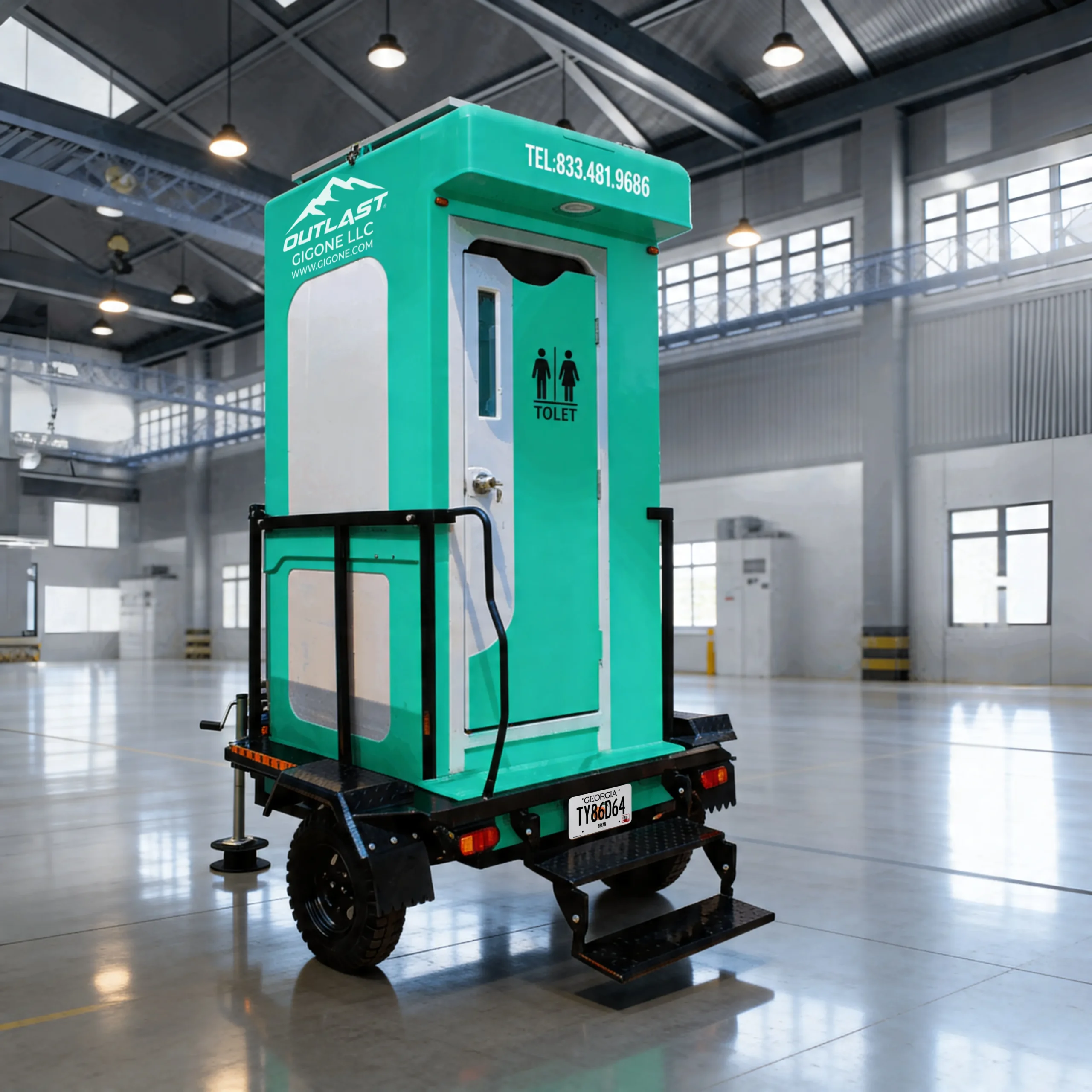
→ Traditional units meet basic needs, while premium portable restrooms offer comfort: freshwater flush, ventilation, lighting, and climate control. Mobile Oasis products feature sturdy steel frames, long lifespan, and aesthetic designs suitable for upscale events.
2. Why should businesses invest in premium mobile sanitation rather than cheap rental solutions?
→ Mobile sanitation enhances customer experience. A clean, well-equipped restroom elevates brand image, satisfaction, and attendee retention. On construction sites, durable and easy-to-operate solutions reduce long-term costs.
3. Does Mobile Oasis offer environmentally friendly solutions?
→ Yes. Mobile Oasis uses biodegradable chemicals, water-saving systems, and optimized operational practices to reduce fuel consumption and emissions – a significant advantage as cities and businesses increasingly prioritize sustainability.