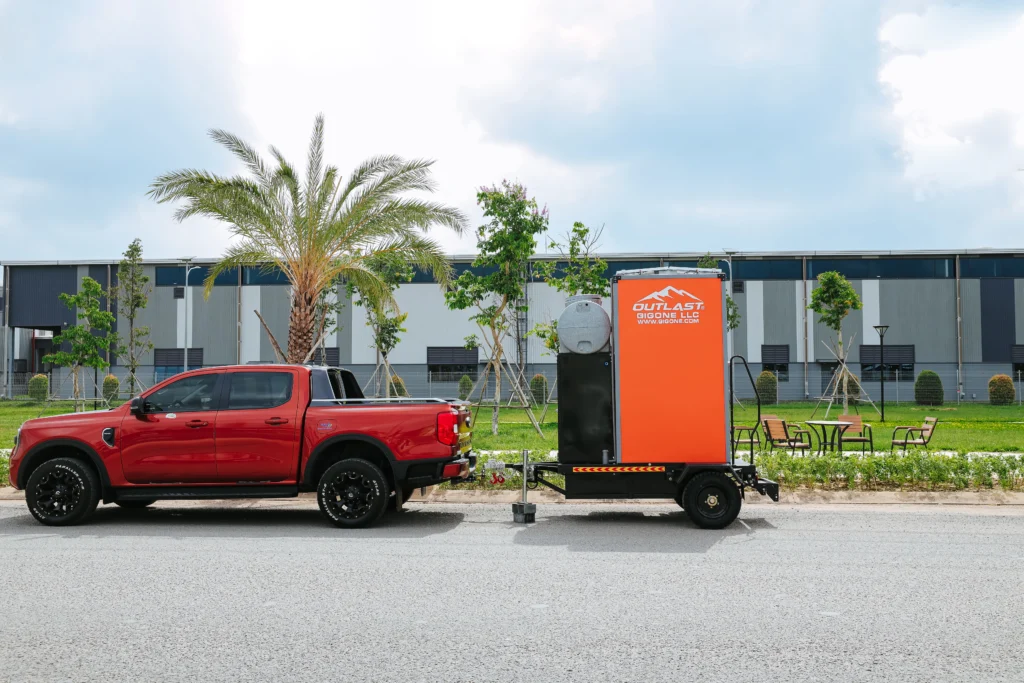

Harvest time on the farm is an all-hands-on-deck affair, with long hours, heavy labor, and relentless focus on yield. And yet, amid this intensity, one often-overlooked element separates a grueling season from a truly well-managed one: the restroom. This guide explains how a well-designed portable restroom (or mobile restroom) can transform life in the field, offering comfort, hygiene, and peace of mind. We’ll walk you through what to consider, from interior design to epidemic safety, while showing how a new generation of products sets a higher bar.
When the work never stops, neither should convenience. Imagine a mobile restroom that’s not just a necessity but a sanctuary, tailored to your farm’s needs, streamlined for harvest days, and built to endure. This guide arms you with the questions to ask, the features to demand, and the vision to see beyond the ordinary.
Table of Contents
Prioritizing hygiene and epidemic safety in portable restrooms
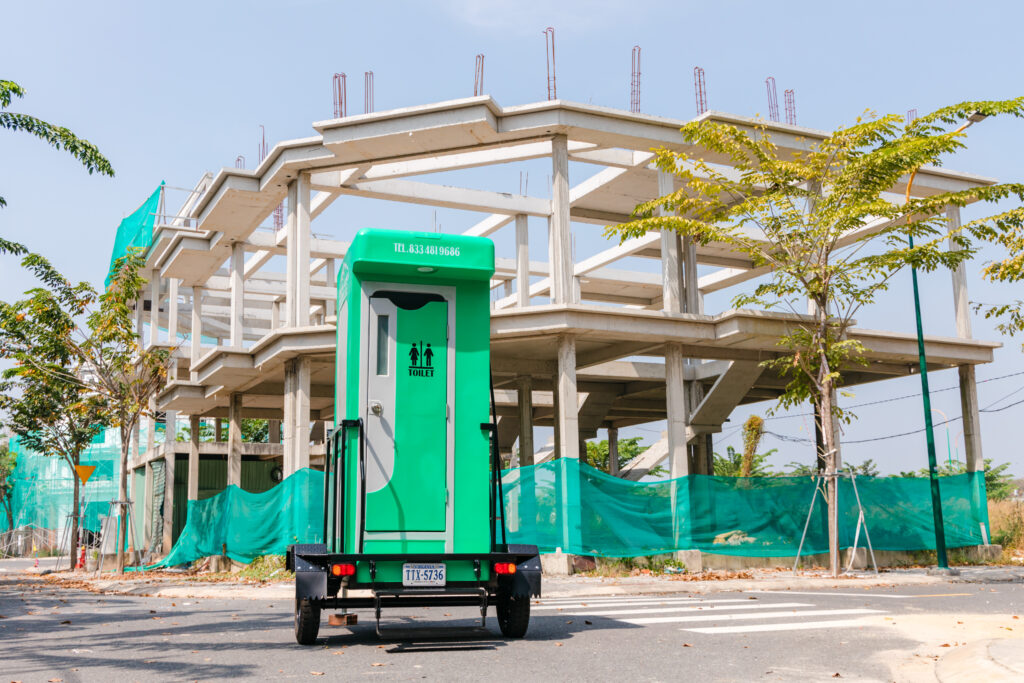
Portable restrooms with good structure and modern design will help labor productivity.
During harvest season, farms are bustling with workers from early morning until dusk. In such concentrated working conditions, ensuring restroom hygiene takes on critical importance, both for worker comfort and public health. Traditional field toilets often fall short in aspects of disease prevention, odor control, and sanitation. This new line of portable restrooms embraces that responsibility, engineered with materials and systems aimed directly at limiting epidemic risk.
To begin with, surfaces inside the unit are crafted from antimicrobial, nonporous resin that repels bacteria and allows for easy sanitization. Handles, seat rims, door locks, and dispensers, every touchpoint, are coated with an antimicrobial layer that inhibits microbial growth. This isn’t cosmetic; it’s a defensive barrier against cross-contamination.
Next, ventilation: a crucial yet overlooked aspect. These modern mobile restrooms include built-in passive air channels that promote consistent airflow without relying on noisy fans. A single small vent might not matter, but a network of microvents ensures continual exchange of stale air and humidity, reducing mold, viruses, and strong odors during extended farm use.
Consider also the impact of hands-free features. Motion-activated lights, contactless flush buttons or foot pedal mechanisms, and sensor-based soap and sanitizer dispensers, these components are integrated to eliminate shared surfaces wherever possible. The aim is clear: when workers need relief, they won’t compromise their health.
Finally, maintenance protocols are part of the design. Quick-release waste tanks, sealed ventilation ports, and disinfect-ready surfaces simplify the daily or weekly cleaning routine. Disinfection becomes efficient and uniform, with no hidden corners, no guesswork. For farm owners juggling all aspects of harvest season, streamlined upkeep cuts labor and gives peace of mind.
Interior design that enhances comfort and productivity
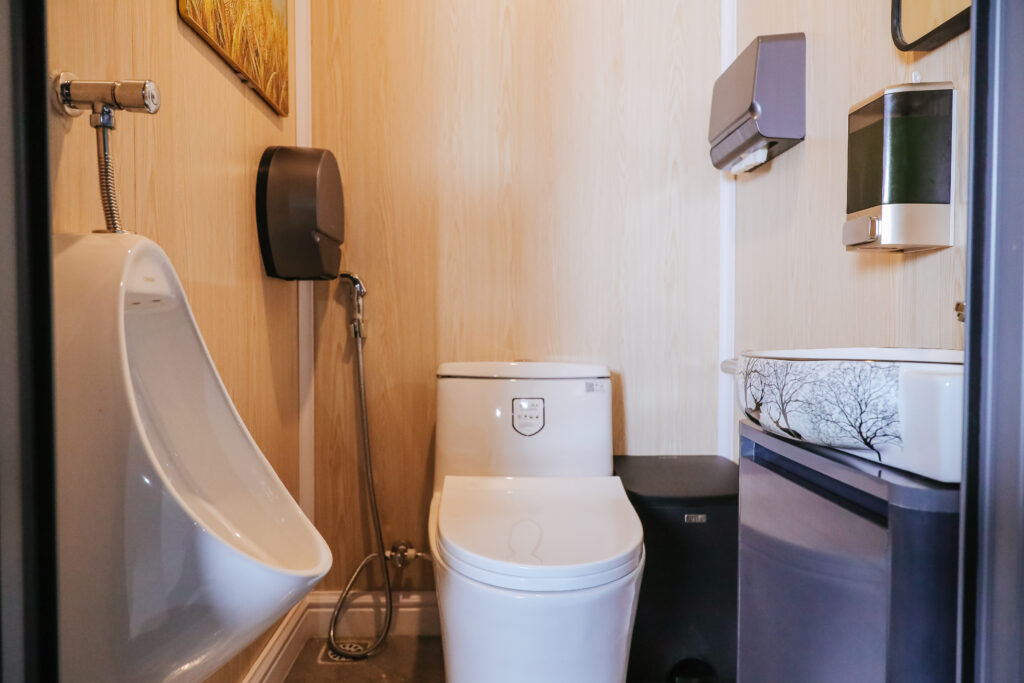
The interior of a modern portable restroom today replaces the traditional toilet
Comfort is not indulgence; on a long harvest day, it’s the difference between productivity and fatigue. Recognizing this, a superior mobile restroom takes cues from thoughtful architecture and user psychology to create a welcoming private space, even in a cornfield.
First, space allocation: these units are designed with added headroom, enough for tall workers to enter and move comfortably. The footwell area is widened so workers don’t feel cramped while seated. These subtle design choices reduce the mental burden of “dealing with the restroom” and create a more relaxed experience, which is key to team morale.
Lighting is also prioritized. Inside each portable restroom, soft LED lighting provides good visibility even before dawn or at the edge of twilight. The light color is warm, reducing eye strain and discouraging pests. Crucially, the fixtures are motion-activated and battery-powered, so there’s no reliance on unstable external power or harsh fluorescent bulbs.
Flooring deserves a spotlight. The interior floor is slip-resistant and gently sloped toward a hidden trough, draining away liquid efficiently and guiding cleaning agents toward the service port. For farm use, where boots are thick with mud, this design keeps the surface dry and safe.
Storage is another efficiency booster. A narrow shelf under the soap dispenser holds sanitizer bottles or individual hygiene packets, so workers aren’t setting things down on the floor or seat. A position-safe shelf at waist height provides micropersonal space without cluttering the unit.
Even the acoustic environment has been refined. Double-lined walls and soft sealing reduce the sounds that amplify inside, helping workers feel less exposed. With thoughtful insulation, the unit maintains a moderate temperature, even under direct sun or cold pre-dawn air, improving user comfort when lined up between shifts.
All of these details combine into an experience that feels upgraded. A portable restroom with intention feels cared for. And when people feel cared for, they respond with more engagement, dignity, and effort.
Functionality and durability built for farm life
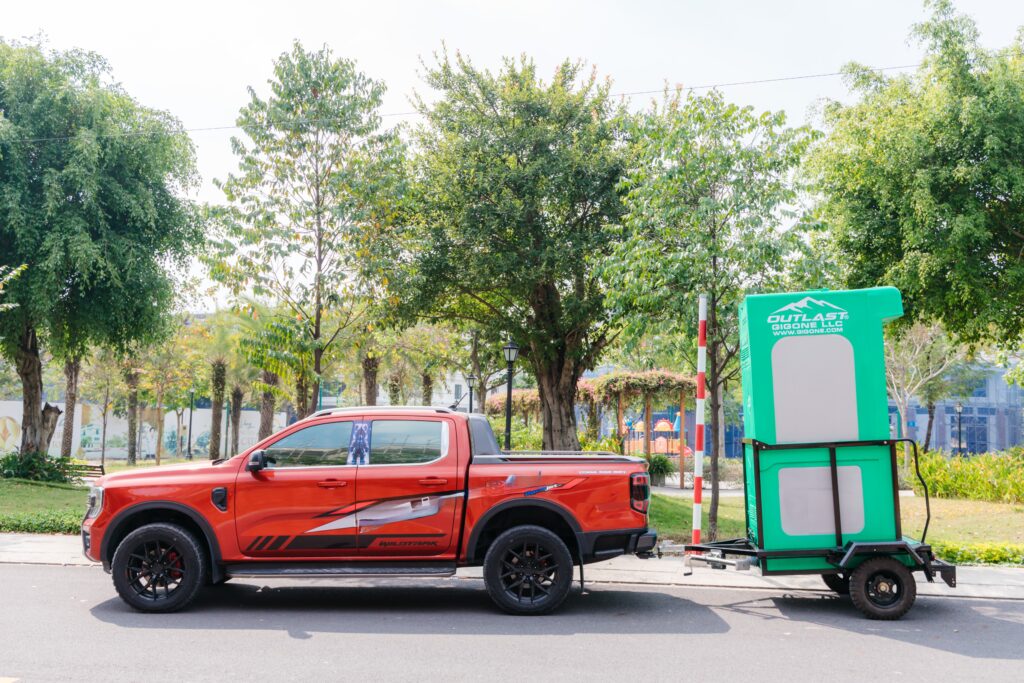
Flexible design, easy to pull to suitable locations
A well-built mobile restroom should be more tool than amenity: a reliable, adaptable system that meets the demands of time-sensitive, labor-intensive projects. Let’s unpack what that means in real farm settings.
Material strength is foundational. Each unit features a high-density polyethylene exterior that resists UV, impacts, and stains. There are no brittle components that crack under pressure or warp under heat. The internal support skeleton is steel-reinforced to mitigate sway or wobble, even on uneven ground or soft soil.
Tank technology is an upgrade. Instead of simple drop-in tanks, these units use sealed, odor-lock container systems with replaceable cartridges. That means staff can swap full tanks in less than a minute, without tools or spills. It also allows for sealed waste disposal methods in compliance with environmental and agricultural regulations and helps cut down on maintenance calls.
Mobility matters, too: wide-base integrated fork pockets make each unit compatible with farm forklifts, lift gates, and tractor arms. During peak season, when restrooms must follow crews between fields or storage areas, relocation can happen quickly. Units are light enough that a small tractor attachment can tow two at once. And rugged brackets ensure stability during transit.
Water economy is considered as well. The flush systems use low-volume, gravity-pressurized water that cuts usage by more than half compared to old systems. A clear, external sight tube lets managers check water levels at a glance. For farms where water is shared with irrigation or livestock, such an economy reduces strain and ensures consistent availability.
Finally, modular design features are included: add-on shelves for cleaning supplies, integrated hand-washing modules, and optional solar panels to power lighting and ventilation. These are all available. Farms can adapt each mobile restroom to their workflows without starting over.
How to choose the right unit for your farm
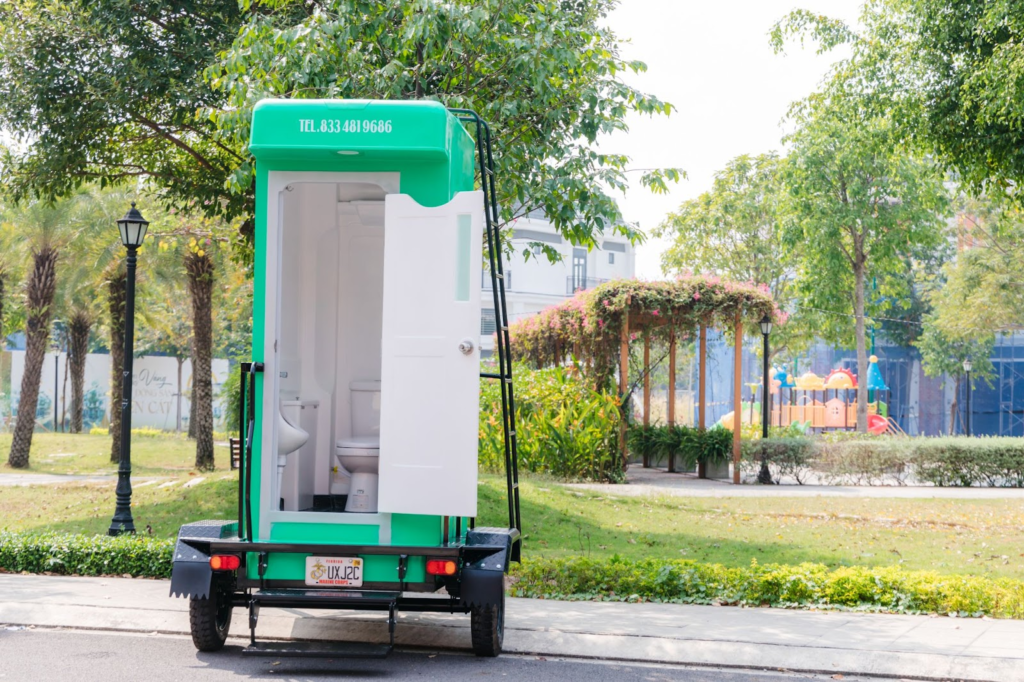
Choosing the right portable restroom brings economic value and long-term commitment between farm owners and laborers.
Choosing a portable restroom isn’t one-size-fits-all. Your soil type, crew size, shift length, and harvesting routines all shape what works best. Let’s walk through the key considerations, framed as questions you can answer.
1. Crew size and flow: How many workers will need restrooms per shift? A rule of thumb is one unit per every 10–15 field workers on extended shifts. But if your crew moves across multiple fields daily, you may need additional units staged at different access points. It’s not about having excess restrooms; it’s about placement.
2. Frequency of maintenance visits: Will you pay for daily or weekly cleaning? If only weekly, choose units with larger waste cartridges and sealed odor-locking features. If daily maintenance is planned, smaller units may be more cost-effective. Make sure the unit’s design supports easy access for service teams.
3. Power and sanitation needs: Do you want lighting and ventilation to be self-sufficient, powered by solar or battery? If you have to electrify remote fields, solar-enabled mobile restrooms are ideal. And if water supply is sparse, prioritize low-volume flush systems.
4. Location terrain: If your fields have soft ground, consider units with wider bases or adjustable stabilizers. If paved or gravel is the norm, standard skids are adequate. Fork pockets on every side allow flexibility in lift direction, a huge timesaver when units must be moved fast.
5. Weather extremes: For heat, look for UV-protected materials and reflective roof coatings. For cool nights or high altitude, insulated walls are a plus. Internal vents with screens allow airflow without letting dust, insects, or pollen enter.
6. Health & communication protocols: If your farm implements health screenings or temperature checks, choose a model that supports clip‑on sanitizer dispensers and supports signage. Some units offer messenger panels for posting shift guidelines or messaging, keeping everyone aligned.
A strong vendor will walk you through these questions and help configure a set of units that match your specific harvest needs, whether it’s corn, tomatoes, apples, or grapes. A well-matched portable restroom becomes part of your efficiency plan, not a liability.
Wrapping up: changing how you view restroom infrastructure

Portable restrooms are becoming more and more modern.
When most people think of “farm infrastructure,” they imagine tractors, barns, and irrigation lines. But the modern mobile restroom deserves a place in that list. It’s a frontline necessity, and one whose design impacts worker safety, dignity, health, and productivity.
This new generation of portable restrooms breaks the mold on field-grade toilets. With antimicrobial surfaces, hands-free systems, thoughtful interiors, rugged construction, and mobility options, they’re more than “toilets you drag out.” They’re modular field hubs that respect people, time, and task.
By investing in thoughtfully designed portable restroom systems, you’re not just checking a compliance box; you’re taking care of your team. You’re sending a message: we prioritize your well-being, even in the dirt and heat. That mindset resonates in crew morale, quality of work, and ultimately harvest success.
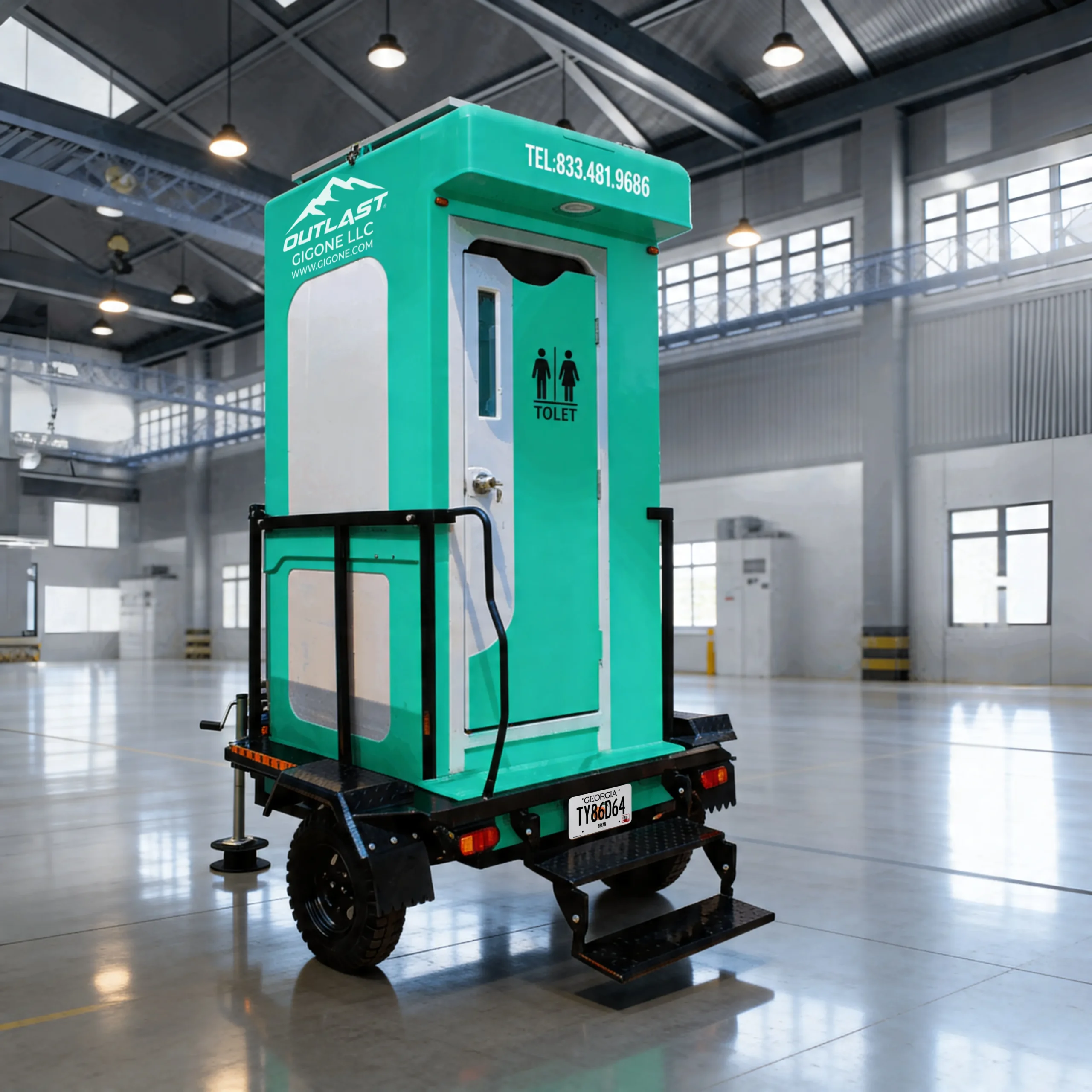
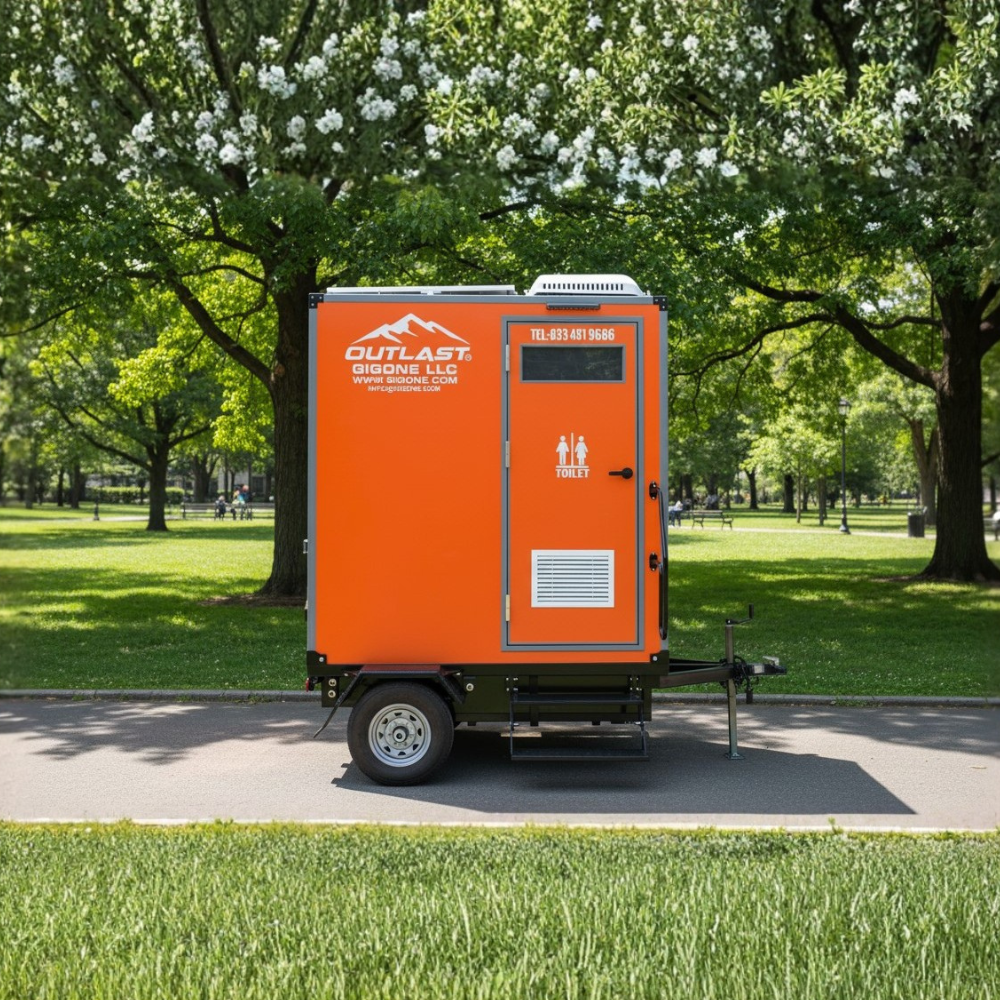

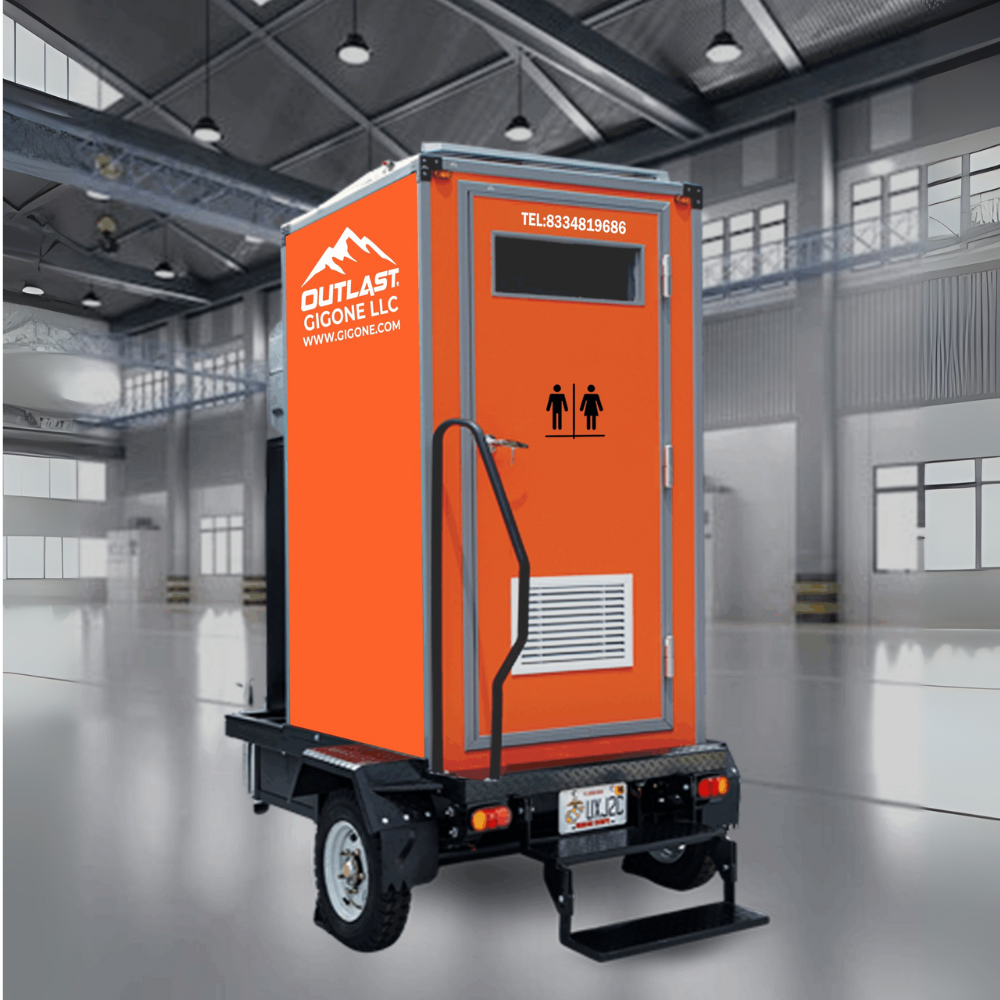
At the heart of this innovation is Mobile Oasis, a U.S.-based manufacturer and large-scale provider of mobile and portable restrooms. With capabilities to build, outfit, deliver, and service fleets across farms nationwide, we understand harvest from the ground up. If quality, convenience, and health-focused design matter to you, reach out to Mobile Oasis to explore how their modern portable restroom solutions can support your next harvest season, delivered on time, fully configured, and backed by ongoing service.