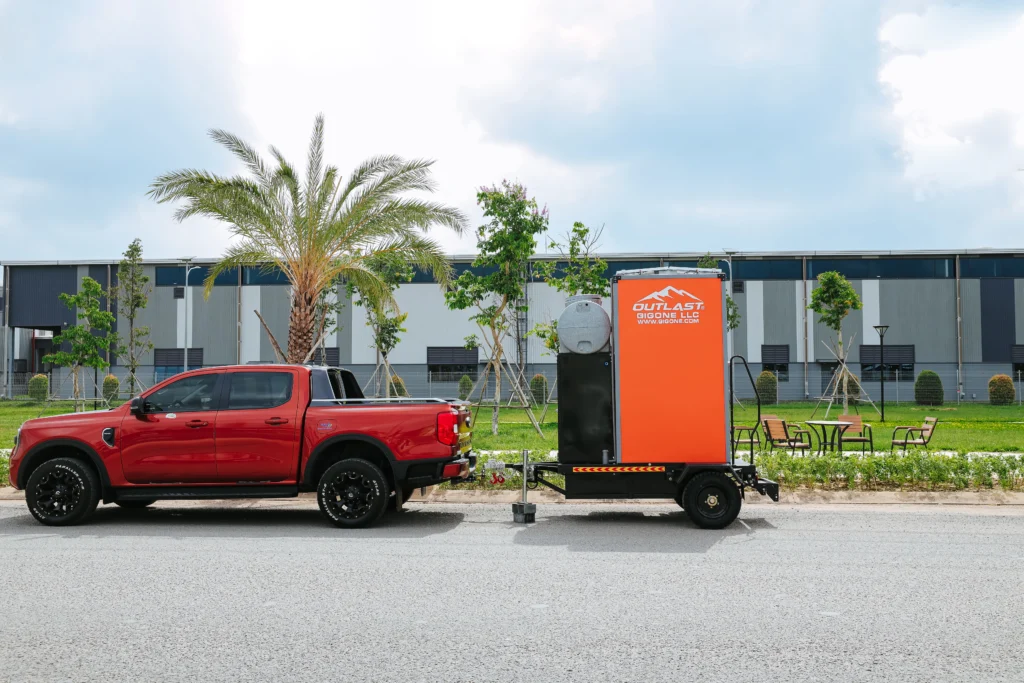

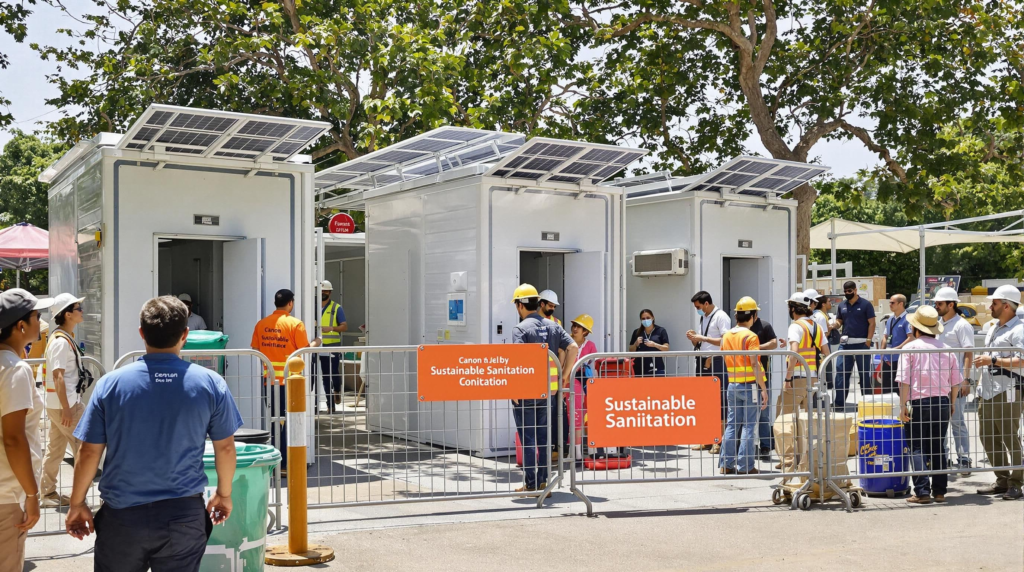
Solar powered toilets are catching serious attention at events and construction sites, offering a fresh spin on sanitation. Most people think portable toilets are just a necessary hassle or an eyesore in the corner of a busy location. Yet these next-generation models are actually saving organizers up to 60 percent in operational costs while cutting down water use by thousands of gallons every year. The real surprise is how quickly they’re reshaping expectations about cleanliness, sustainability, and cost—leaving old-fashioned porta-potties looking outdated overnight.
Table of Contents
Quick Summary
| Takeaway | Explanation |
|---|---|
| Solar toilets reduce operational costs significantly | They minimize maintenance, water needs, and waste transport expenses, making them economical for events and sites. |
| Environmental benefits enhance brand reputation | Using solar toilets showcases commitment to sustainability, appealing to eco-conscious stakeholders and enhancing organizational credibility. |
| Choosing the right model is crucial | Evaluate performance metrics and site needs to select a solar toilet that meets specific operational and environmental requirements. |
| Regular maintenance is essential for efficiency | Schedule annual inspections and routine cleaning to ensure optimal performance and adherence to sanitation standards. |
| Technological advances in toilets improve functionality | Emerging features like self-diagnostics and real-time monitoring help maintain efficiency and prolong operational life. |
How Solar Powered Toilets Work and Save Costs
Solar powered toilets represent a groundbreaking solution for sustainable sanitation, combining advanced technology with environmental responsibility. These innovative systems transform human waste management by leveraging solar energy to create efficient, cost-effective, and eco-friendly sanitation solutions for events, construction sites, and remote locations.
The Technology Behind Solar Powered Sanitation
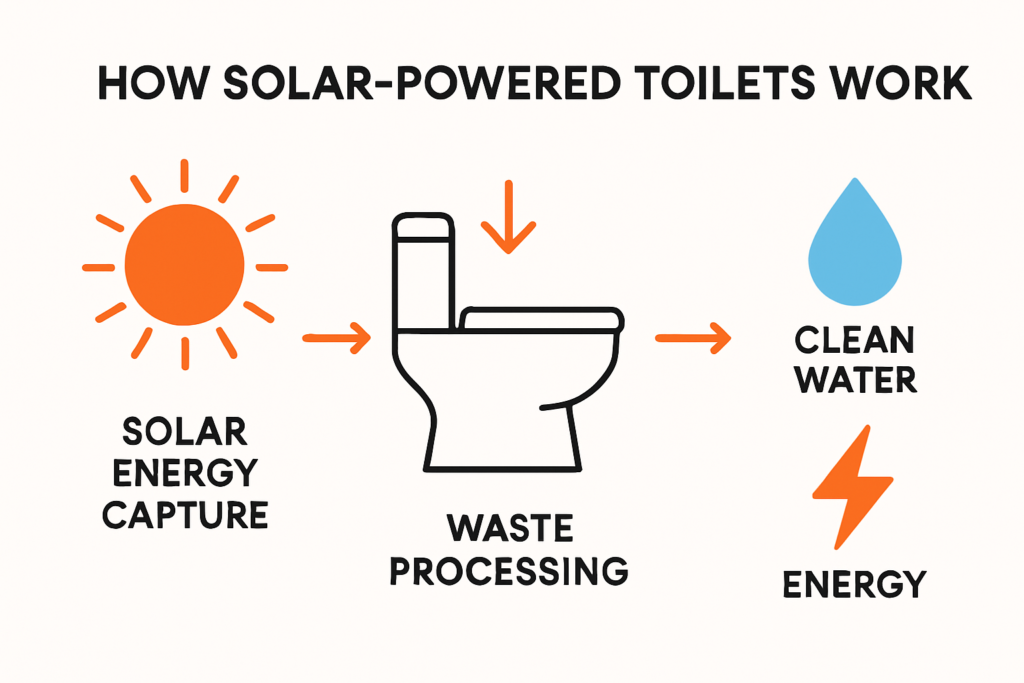
At the core of solar powered toilets lies a sophisticated system of energy conversion and waste processing. Researchers at the University of Colorado Boulder have developed a revolutionary approach that uses solar energy to heat and sterilize human waste. The process begins with solar panels capturing sunlight and converting it into electrical energy, which powers multiple critical functions within the toilet system.
The primary mechanism involves using solar-generated heat to break down waste effectively. According to RTI International, these advanced systems can convert human waste into multiple valuable outputs, including burnable fuel, stored energy, and disinfected water. This multi-purpose approach transforms what was once considered a waste product into a resource, dramatically reducing environmental impact and operational costs.
Cost Savings and Environmental Benefits
Economic advantages make solar powered toilets an attractive option for event organizers and site managers. Traditional portable toilets require constant maintenance, water supply, and waste removal services. In contrast, solar powered toilets dramatically reduce these ongoing expenses. A study in the Journal of Water, Sanitation and Hygiene for Development revealed that implementing solar septic tank systems can cost between $600 to $2,500, depending on size and complexity.
The financial benefits extend beyond initial installation. These toilets eliminate the need for external power sources, reduce water consumption, and minimize waste transportation costs. For events and sites in remote locations, solar powered toilets offer an independent sanitation solution that operates completely off-grid. The energy generated can power additional features like lighting, handwashing stations, and waste processing mechanisms.
Environmentally, these toilets represent a significant advancement in sustainable infrastructure. By converting waste into usable resources and reducing carbon emissions associated with traditional waste management, solar powered toilets contribute to a circular economy model. The ability to produce biochar a carbon-sequestering material from processed waste further enhances their ecological value.
For event organizers and site managers, solar powered toilets are not just a technological novelty but a practical, forward-thinking solution. They demonstrate a commitment to sustainability, reduce operational costs, and provide a reliable sanitation option in diverse environments. As technology continues to advance, these systems will become increasingly efficient, making them an essential consideration for any forward-thinking organization seeking innovative and responsible waste management solutions.
To help summarize the differences and advantages between traditional portable toilets and solar powered toilets, the table below compares their key operational and environmental features:
| Feature | Traditional Portable Toilet | Solar Powered Toilet |
|---|---|---|
| Power Source | External (fuel/electricity) | Solar panels (off-grid) |
| Water Consumption | High | Minimal/none |
| Maintenance Frequency | High (frequent servicing) | Reduced (less frequent) |
| Waste Removal Costs | High | Lower (waste often processed) |
| Environmental Impact | Negative (higher emissions) | Positive (lower emissions, resource recovery) |
| Operational Cost Savings | Baseline | Up to 60% reduction |
| Useful Resource Generation | None | Yes (energy, water, fuel, biochar) |
Key Benefits for Events and Worksites in Australasia
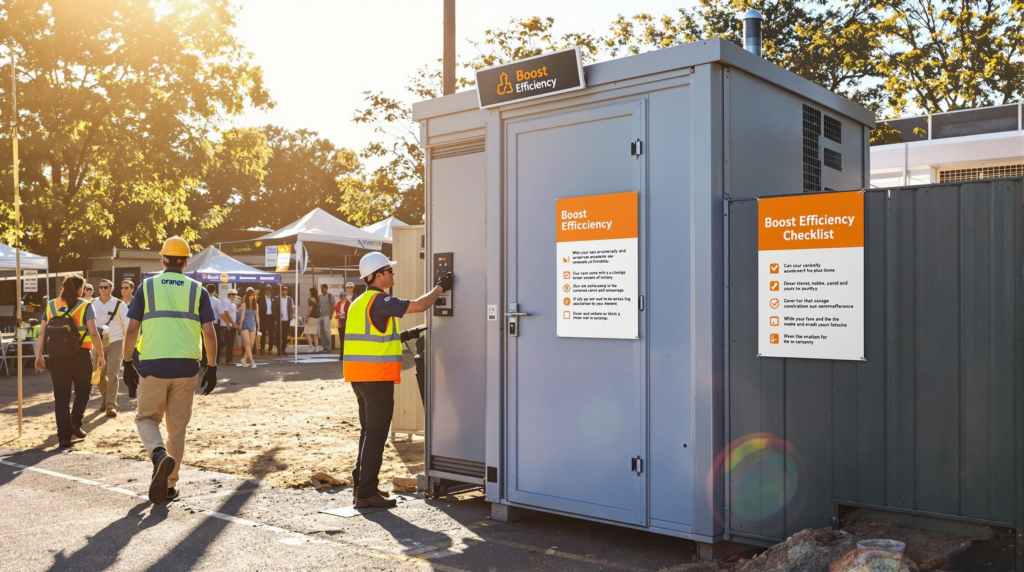
Solar powered toilets offer transformative solutions for events and worksites across Australasia, providing unparalleled advantages in sustainability, cost efficiency, and operational flexibility. These innovative sanitation systems are perfectly designed to meet the unique challenges faced by event organizers, construction managers, and site operators in diverse environmental conditions.
Enhanced Sustainability and Environmental Performance
In the context of Australasia’s commitment to environmental conservation, solar powered toilets represent a significant leap forward in sustainable infrastructure. Research from the Practically Green Institute indicates that solar-powered composting toilets eliminate reliance on fossil fuels, dramatically reducing carbon footprints associated with traditional sanitation facilities. For construction sites and outdoor events that prioritize ecological responsibility, these toilets provide a tangible demonstration of environmental stewardship.
The unique design of these toilets allows for complete off-grid operation, making them ideal for remote locations across Australia and New Zealand. According to Euroloo Portable Sanitation, solar-powered portable toilets can generate electricity independently, ensuring reliable sanitation services in areas without traditional power infrastructure. This capability is particularly crucial for mining sites, festival grounds, and construction projects in regions with limited utility access.
Economic Advantages and Operational Efficiency
Beyond environmental benefits, solar powered toilets deliver substantial economic advantages for events and worksites. Eco Water & Waste Disposal Services highlights that these innovative facilities significantly reduce ongoing operational costs. Unlike traditional portable toilets, solar powered systems minimize water consumption, eliminate external power requirements, and reduce waste management expenses.
For event organizers in Sydney, construction managers in Melbourne, and site operators across Australasia, these toilets represent a strategic investment. The initial installation costs are offset by long-term savings in utilities, maintenance, and waste removal. Additionally, the self-contained nature of these toilets means fewer logistical challenges and reduced labor costs associated with traditional sanitation management.
The versatility of solar powered toilets makes them an invaluable asset across multiple sectors. From multi-day music festivals in Brisbane to remote mining operations in Western Australia, these systems provide consistent, hygienic, and environmentally responsible sanitation solutions. Their ability to function effectively in varied climatic conditions – from the humid coastal regions to arid inland areas – demonstrates their robust design and adaptability.
Moreover, the technological sophistication of solar powered toilets goes beyond mere functionality. They represent a forward-thinking approach to infrastructure that aligns with the growing environmental consciousness of Australasian businesses and event organizers. By choosing these innovative sanitation solutions, organizations can showcase their commitment to sustainability, potentially enhancing their brand reputation and appealing to environmentally aware stakeholders.
As we move towards 2025, solar powered toilets are not just an alternative but are rapidly becoming the preferred choice for forward-thinking events and worksites. Their combination of environmental responsibility, economic efficiency, and technological innovation positions them as a critical solution for modern sanitation challenges across Australasia.
Choosing the Right Solar Toilet for Your Needs
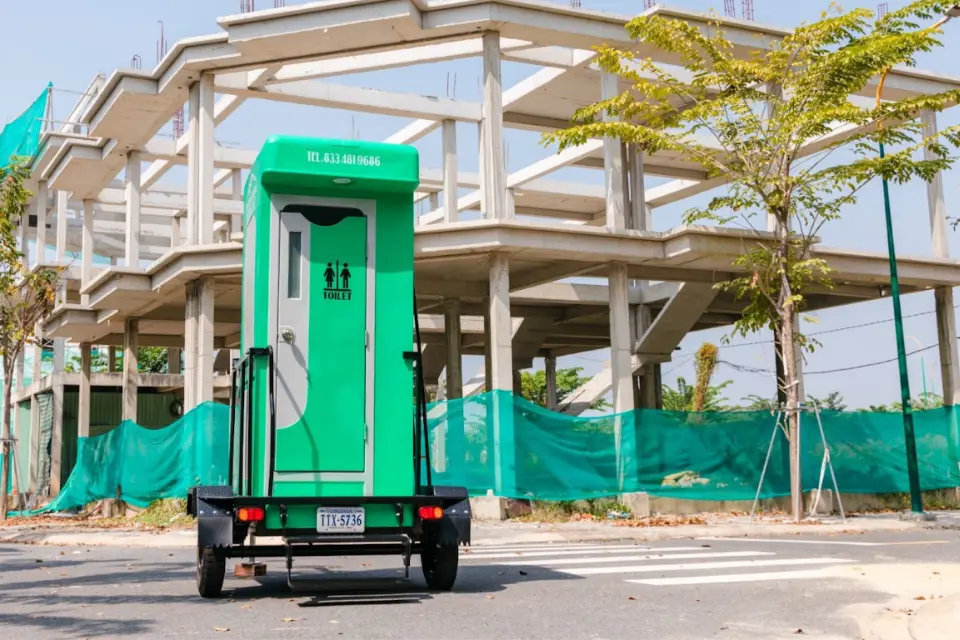
Selecting the appropriate solar powered toilet requires careful consideration of multiple factors to ensure optimal performance and satisfaction across different event and worksite environments. The decision-making process involves evaluating technological capabilities, site-specific requirements, and long-term operational objectives.
Assessing Technical Specifications and Performance Capabilities
Research published in Environmental Science & Technology highlights the critical importance of understanding the technical specifications of solar powered toilets. Event managers and site operators must evaluate key performance metrics such as waste processing capacity, energy generation efficiency, and water conservation capabilities.
Critical technical considerations include solar panel capacity, battery storage capabilities, waste treatment mechanisms, and overall system resilience. Different models offer varying levels of technological sophistication. Some advanced systems can convert waste into burnable fuel or generate electricity, while others focus primarily on basic waste management and sanitation requirements.
Environmental and Health Considerations
The International Journal of Environmental Research and Public Health emphasizes the significance of selecting solar toilets that minimize environmental contamination and support public health standards. When choosing a solar powered toilet, organizations must consider factors like pathogen reduction capabilities, water treatment efficiency, and overall ecological impact.
For outdoor events and remote worksites, prioritize systems that offer robust waste sterilization processes. Sustainability research suggests evaluating toilets with advanced hydrothermal liquefaction technologies that can effectively manage waste while generating potential energy resources. Look for systems that demonstrate minimal environmental disruption and contribute to circular economy principles.
Practical Selection Criteria
Practical selection involves more than just technical specifications. Consider the specific context of your event or worksite. Factors like expected user volume, duration of use, geographical location, and available maintenance support play crucial roles in determining the most suitable solar powered toilet solution.
For multi-day music festivals, prioritize high-capacity systems with robust waste management capabilities. Construction sites might require more rugged designs that can withstand harsh environmental conditions. Remote mining operations need self-contained units with extended operational independence.
Additionally, evaluate the total cost of ownership. While initial investment might be higher compared to traditional portable toilets, solar powered options often provide significant long-term savings through reduced maintenance, lower utility costs, and minimal waste management expenses.
Consult with manufacturers and request comprehensive performance data, user testimonials, and detailed specifications. Some providers offer site-specific assessments to help you identify the most appropriate solar toilet solution for your unique requirements.
As solar powered toilet technologies continue evolving, staying informed about the latest innovations will help organizations make strategic decisions. The right selection not only addresses immediate sanitation needs but also demonstrates a commitment to sustainable, forward-thinking infrastructure solutions that benefit both users and the environment.
To aid in evaluating key factors when selecting a solar powered toilet, the following table summarizes important criteria and the considerations recommended in the article:
| Selection Factor | Considerations |
|---|---|
| Technical Specifications | Solar panel capacity, battery storage, waste treatment type, system resilience |
| Environmental Impact | Pathogen reduction, water treatment, biochar/resource generation, minimal disruption |
| Event/Site Requirements | User volume, expected duration, location/remoteness, maintenance availability |
| Health & Safety | Sterilization, compliance with public health standards |
| Accessibility | ADA compliance (doorway width, handrails, space) |
| Total Cost of Ownership | Initial vs. long-term cost, utility & maintenance savings |
Maintenance Tips and Local Compliance in 2025
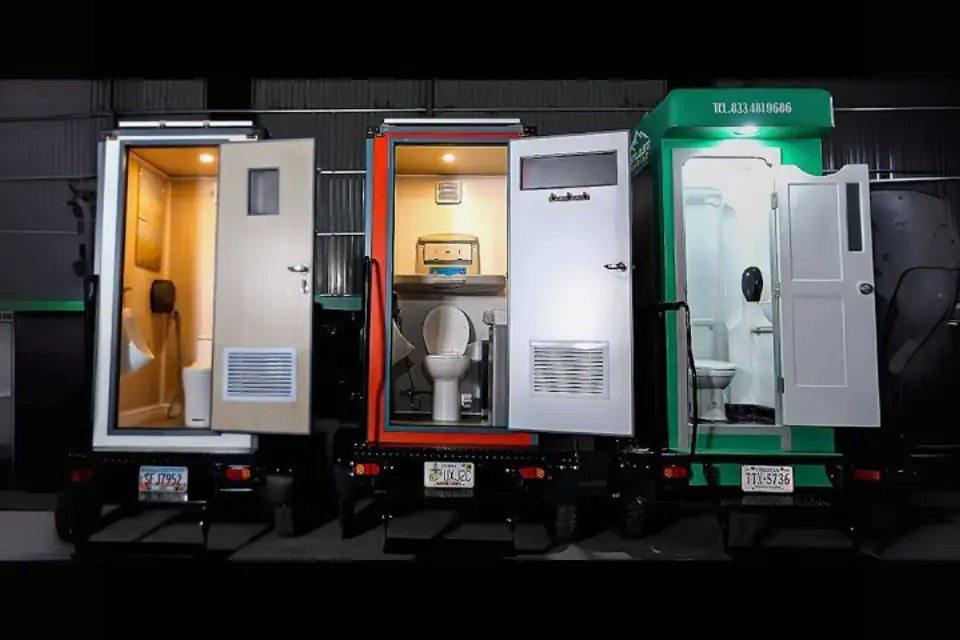
Maintaining solar powered toilets requires a strategic approach that balances technological understanding, regulatory compliance, and proactive management. As we move into 2025, event organizers, construction managers, and site operators must develop comprehensive maintenance protocols that ensure optimal performance, hygiene, and legal adherence.
Technical Maintenance and Performance Optimization
Research from the University of Colorado Boulder’s Sol-Char Sanitation project provides critical insights into maintaining solar powered toilet systems. The primary focus should be on preserving the efficiency of solar components and mechanical systems. Regular maintenance involves carefully cleaning solar panels to prevent dirt accumulation, which can significantly degrade energy generation capabilities.
Annual mechanical inspections are crucial. This includes lubricating moving parts, checking bearings and valves for wear, and ensuring all mechanical components function smoothly. The U.S. Department of Energy recommends annual assessments to detect potential issues like inefficient flush cycles or water level irregularities.
Regulatory Compliance and Sanitation Standards
Occupational Safety and Health Administration (OSHA) guidelines establish clear requirements for portable sanitation facilities. In 2025, compliance goes beyond basic cleanliness. Solar powered toilets must be serviced at least weekly, with comprehensive cleaning and sanitization protocols. This includes thorough disinfection, restocking consumables like toilet paper and hand sanitizer, and ensuring accessibility standards are met.
Specifically, the Americans with Disabilities Act (ADA) mandates that portable toilet facilities must be wheelchair accessible. For solar powered toilets, this means designing units with wider doorways, appropriate handrail configurations, and sufficient interior space for wheelchair maneuverability. Event organizers and site managers must ensure their facilities meet these critical accessibility requirements.
Emerging Maintenance Considerations for 2025
The landscape of solar powered toilet maintenance is evolving rapidly. Technological advancements are introducing more sophisticated self-diagnostic systems that can alert operators to potential maintenance needs before critical failures occur. Predictive maintenance approaches using IoT sensors and real-time monitoring are becoming standard, allowing for more proactive and efficient management.
Environmental considerations are also becoming increasingly important. Maintenance protocols now emphasize sustainable practices, such as using eco-friendly cleaning agents, minimizing water consumption during cleaning, and implementing waste management strategies that align with circular economy principles.
Training becomes a critical component of maintenance in 2025. Operators must be well-versed in the unique technological requirements of solar powered toilets. This includes understanding solar panel maintenance, waste processing mechanisms, and the specific environmental conditions that can impact system performance.
Financial planning for maintenance is equally crucial. While solar powered toilets offer long-term cost savings, organizations must budget for periodic component replacements, software updates, and potential technological upgrades. A proactive approach to maintenance can significantly extend the lifespan of these innovative sanitation solutions.
As we progress through 2025, the integration of solar powered toilets into event and worksite infrastructure represents more than a technological choice. It demonstrates a commitment to sustainable, efficient, and responsible sanitation solutions that prioritize environmental consciousness, user experience, and regulatory compliance.
Frequently Asked Questions
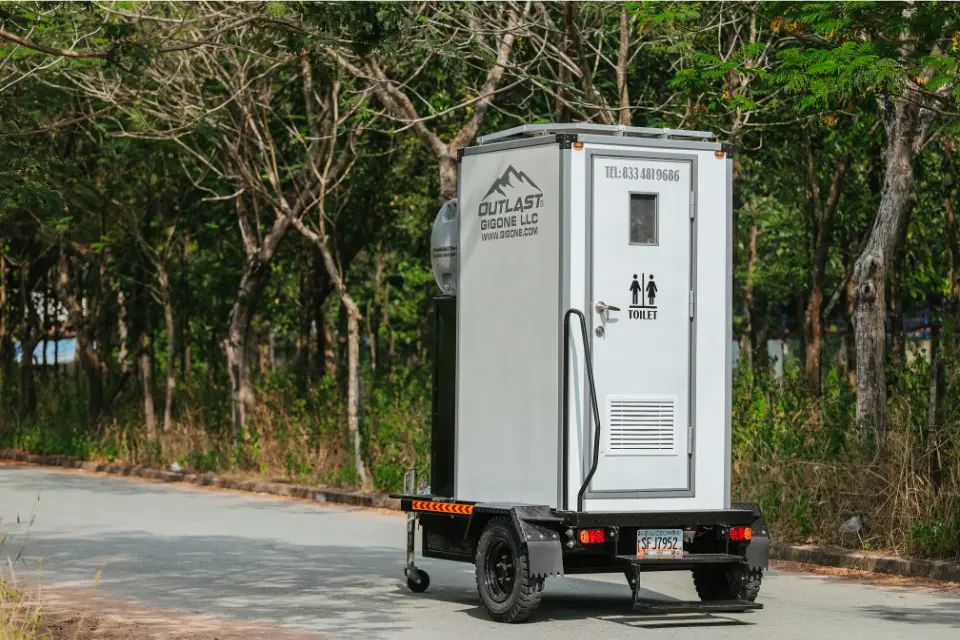
What are solar powered toilets?
Solar powered toilets are eco-friendly sanitation solutions that use solar energy to operate, minimizing water usage and reducing operational costs compared to traditional portable toilets.
How do solar powered toilets save on operational costs?
These toilets significantly decrease maintenance needs, reduce water consumption, and eliminate the costs associated with waste transportation, leading to savings of up to 60% in operational expenses.
What are the environmental benefits of using solar powered toilets?
Solar powered toilets convert waste into usable resources, reduce carbon emissions, and eliminate reliance on fossil fuels, contributing positively to sustainability and environmental conservation.
How do I choose the right solar powered toilet for my event or worksite?
Consider factors such as user volume, site location, technical specifications, environmental and health impact, and total cost of ownership to ensure you select a model that meets your specific needs.
Upgrade Your Event or Worksite with Solar Innovation
If you are ready to escape the headaches of high operating costs and outdated facilities discussed in “Solar Powered Toilets: The Smart Choice for Events and Sites in 2025,” Mobile Oasis has your solution. Our eco-friendly portable restroom options pair advanced solar technology with modern, comfortable designs that fit both high-end events and rugged worksites. Forget maintenance hassles and mounting expenses. Enjoy better hygiene, easier logistics, and a proven reduction in waste management bills. Explore solutions that offer more than just compliance. They deliver peace of mind, elevate user experience, and satisfy sustainability goals.
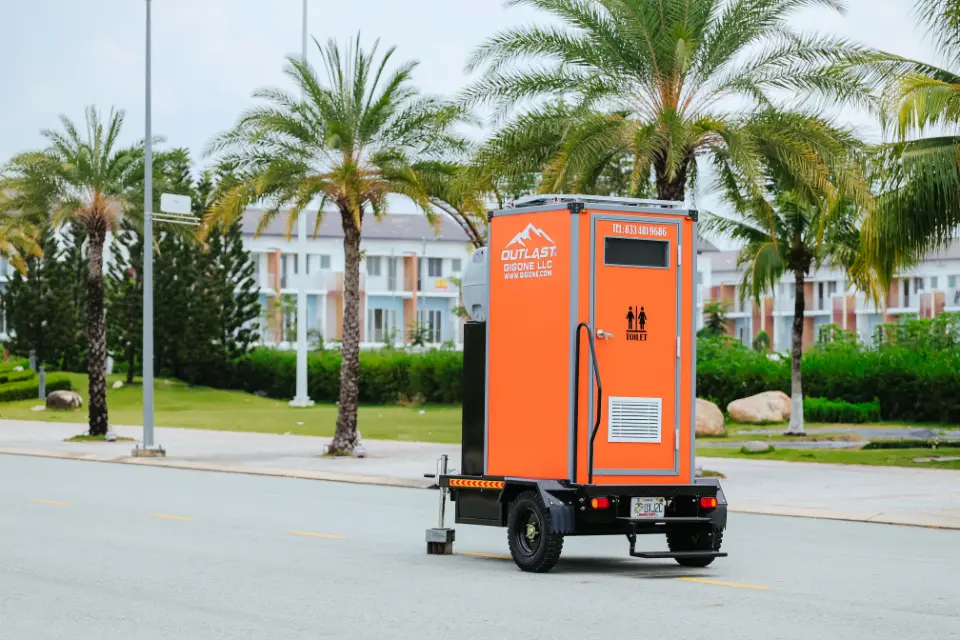
Do not let your next project or event fall behind. See how Mobile Oasis can help you lower costs, boost your brand reputation, and meet the demand for clean, reliable, and eco-friendly facilities. Discover our premium portable restroom solutions today and take the next step toward future-proof sanitation. Contact us now to discuss a tailored partnership before your competitors move ahead.