
In the mobile sanitation industry, choosing the right type of portable restroom trailer is critical, not only for meeting the needs of users but also for maximizing operational efficiency, cost-effectiveness, and long-term value. Among the most common options are single-stall and two-stall restroom trailers. While both serve the same essential purpose, the differences in how they function, perform, and scale across use cases are significant.
This article provides an objective, side-by-side analysis of single-stall versus two-stall portable restrooms based on field performance, logistics, user satisfaction, and return on investment. If you’re a business owner, event planner, or fleet operator evaluating which type best suits your needs, this breakdown offers clarity to help you make informed decisions.
Transportation and deployment efficiency

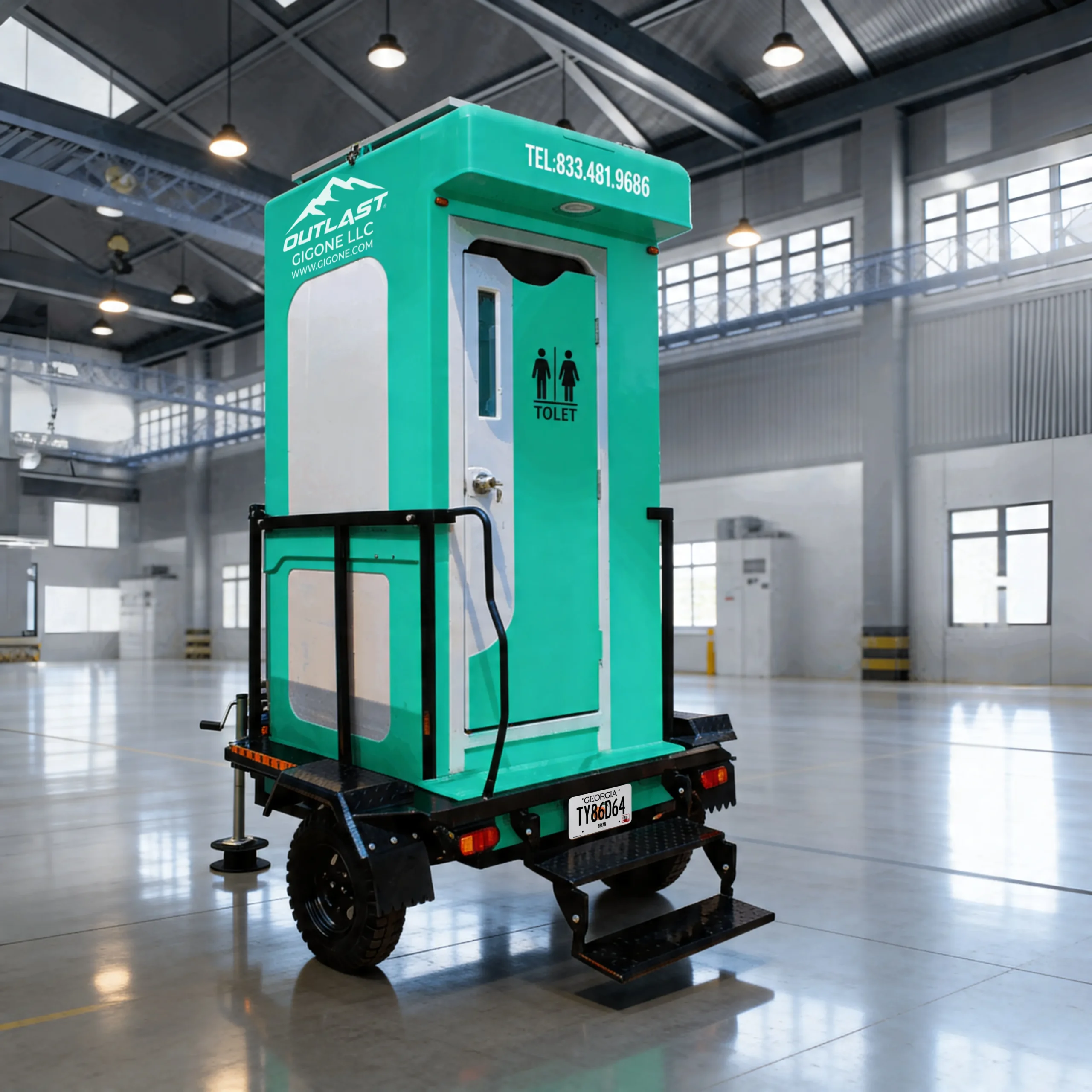
The single-stall trailer is easy to move
One of the most practical considerations when choosing a portable restroom trailer is how easily it can be transported and deployed.
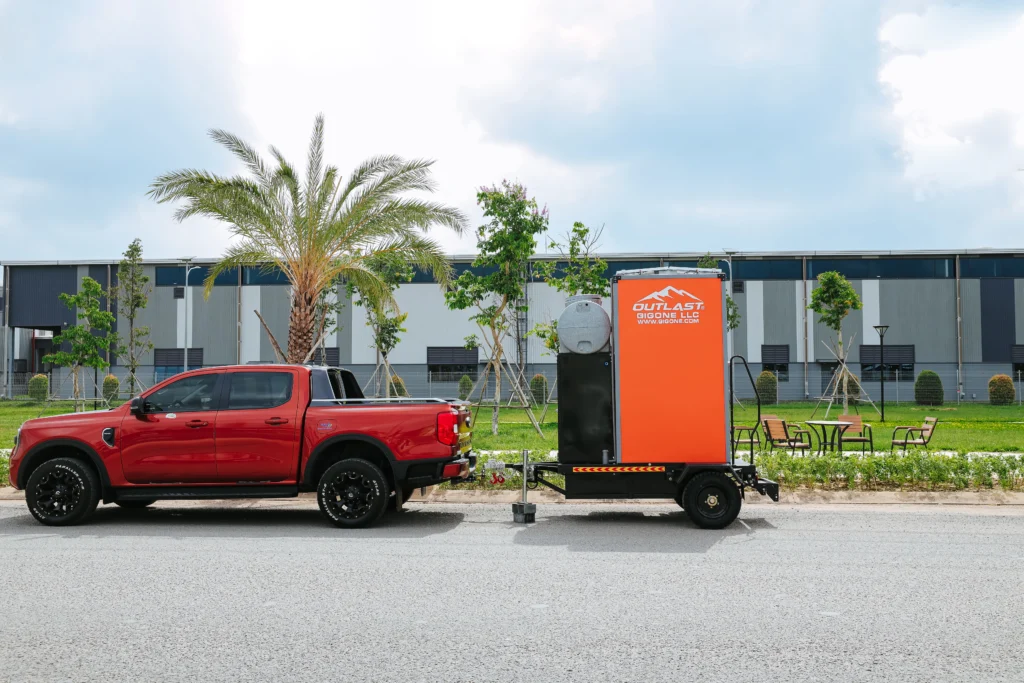
Single-stall trailers are compact and lightweight, making them towable by light-duty vehicles. This offers major logistical advantages, especially for clients who need to move restrooms across multiple locations or in tight time frames. It also eliminates the need for commercial-grade towing equipment, lowering transport costs and simplifying planning.
In contrast, two-stall trailers typically require larger towing vehicles and more space for maneuvering. This limits their accessibility, especially in urban settings or confined worksites where turning radius and parking space are tight. For clients operating on smaller budgets or handling their logistics, this can present a barrier.
Flexibility in space and setup

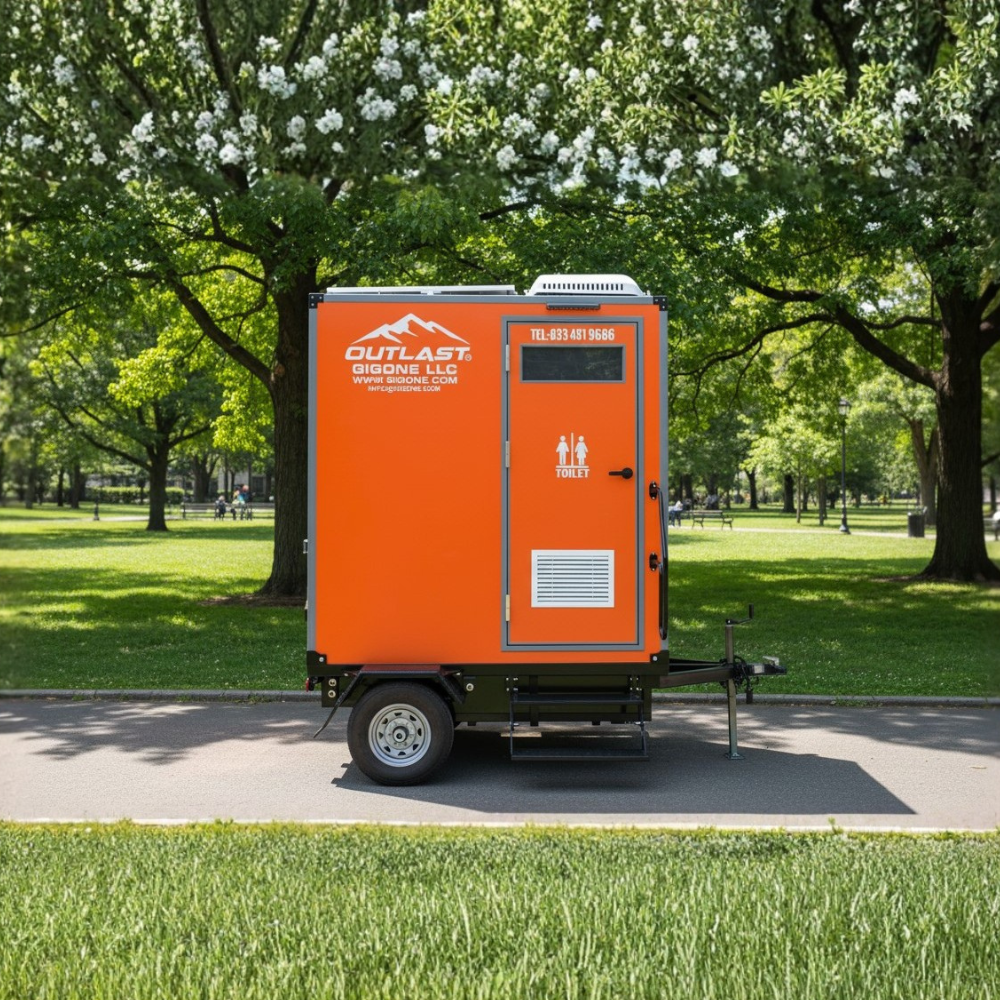
Portable restrooms are designed to be fixed at a specific location and easily towed away.
Where and how portable restrooms are installed play a huge role in user experience and service reliability.
Single-stall units excel in space adaptability. Their smaller footprint means they can fit into narrow alleys, private backyards, or tight event layouts, ideal for urban events, home renovations, or scattered job sites. They also make distributed restroom planning possible, enabling organizers to position multiple units in strategic areas rather than relying on one central location.
On the other hand, two-stall units need wider access paths and larger level surfaces for setup. This makes them more suited for open, high-capacity areas like festivals or outdoor weddings with centralized facilities. While still functional, they offer less flexibility in irregular or space-constrained locations.
Budget and cost considerations

Investing in the single-stall portable restrooms market does not require much cost.
The decision between one- and two-stall trailers often comes down to numbers. When it comes to cost, the differences are clear.
Single-stall portable restrooms have a lower upfront investment. They cost less to manufacture, lease, or purchase, making them ideal for first-time buyers, small event organizers, or clients running pilot programs. In the long run, they also require less fuel to tow and often incur lower maintenance costs due to simpler systems.
Two-stall units, with their larger size and dual-function design, naturally command a higher purchase or rental price. For high-volume operations, the cost per user may balance out, but the initial outlay and operational costs are undeniably steeper.
Turnover, rental frequency, and revenue potential

High profit potential in the first month with the single-stall portable restrooms
In the rental market, how often a unit is deployed and how easily it fits diverse needs can directly affect revenue.
Single-stall trailers are highly rentable for short-term needs. Their compact form, private experience, and quick deployability make them perfect for VIP events, single-day use, and add-on upgrades. They’re also preferred by clients looking for discreet or luxury sanitation options, such as at weddings or film sets.
This high turnover potential means rental companies can deploy them frequently, keep them in motion, and realize faster ROI.
Two-stall trailers are more likely to be reserved for larger events or longer-term installations where centralization is preferred. While valuable in those contexts, they may be less in demand for niche or distributed use cases.
Privacy and user experience
Our single-unit trailer restroom delivers greater savings than a dual-compartment men’s-and-women’s trailer and can be flexibly converted into separate men’s and women’s facilities on demand.

The single-stall portable restrooms are designed for privacy.
Restroom design is about more than just functionality; it’s about how people feel using the space.
Single-stall restrooms offer total privacy. Each trailer accommodates one person at a time, which users appreciate for comfort and cleanliness. This makes them ideal for high-profile events, executive use, or settings where discretion is valued.
Two-stall trailers, by contrast, include shared infrastructure, like walls, plumbing, and sometimes acoustics, that can impact the sense of privacy. For casual use, this may not be an issue, but in luxury, corporate, or elevated environments, it can reduce perceived quality.
Scalability and deployment strategy
Scalability is another dimension where the models diverge.
With single-stall trailers, clients can scale restroom access modularly. Need three restrooms in three different zones? Lease three single units. This flexibility supports gender-specific placement, zoned access control, and site-specific sanitation strategies. It also enables more tailored planning for diverse crowd dynamics.
Two-stall units provide double capacity in a single setup, which can be an efficient option in centralized, high-traffic environments. However, they’re less modular and less suited to distributed deployments where individualized placement is preferred.
Long-term use and operational impact

The single-stall portable restroom trailers for long-term use
Finally, it’s worth considering the operational demands of each unit type.
Single-stall units are easier to clean, service, and maintain. Because each operates independently, no shared system requires simultaneous downtime. If one unit is down for servicing, others in the lineup continue operating.
Two-stall trailers, though efficient at consolidating users, may require more extensive servicing when issues arise, since both stalls typically share plumbing and structural elements. This can interrupt service and create maintenance bottlenecks during peak periods.
Both single-stall and two-stall portable restroom trailers serve valuable roles in the sanitation ecosystem. But they excel in different contexts.
If flexibility, ease of transport, fast deployment, and private user experience are top priorities, single-stall trailers provide an agile, scalable, and cost-effective solution.
If centralized, high-capacity access in open areas is the goal, two-stall trailers may be more suitable, especially when supported by the right infrastructure.
Ultimately, the best choice depends on your use case, budget, and service model. For those looking to maximize versatility while minimizing overhead, single-stall units from Mobile Oasis present a compelling value.
As a trusted manufacturer and national rental provider, Mobile Oasis offers both single and multi-stall portable restrooms at scale, backed by expert guidance, reliable service, and a commitment to clean, convenient sanitation across the U.S.